
Validation Data Gallery
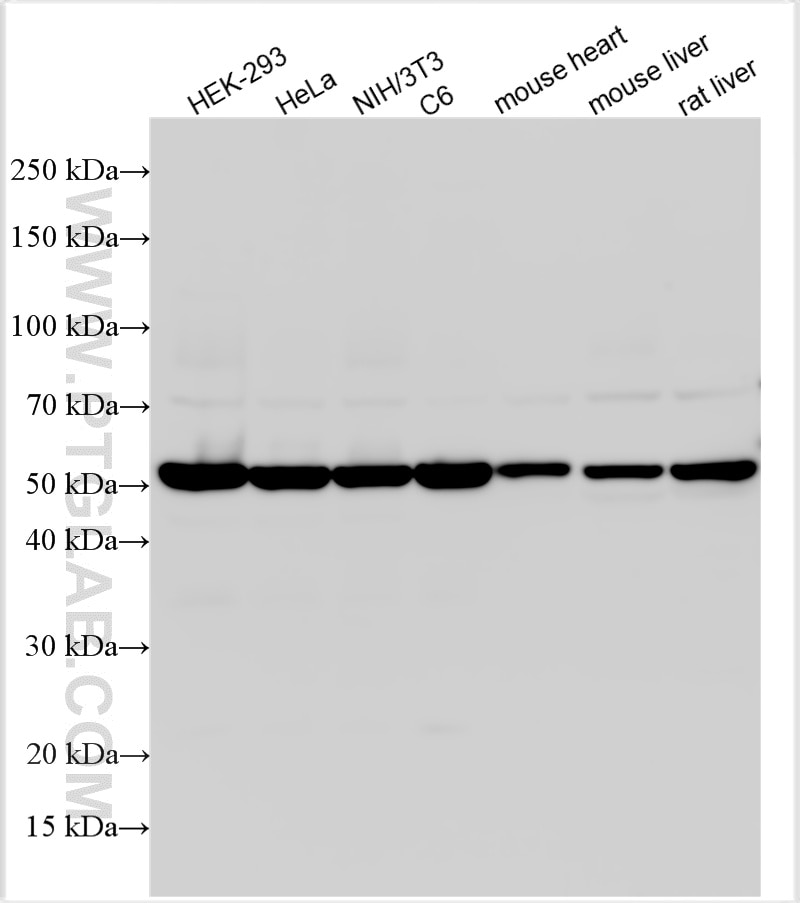
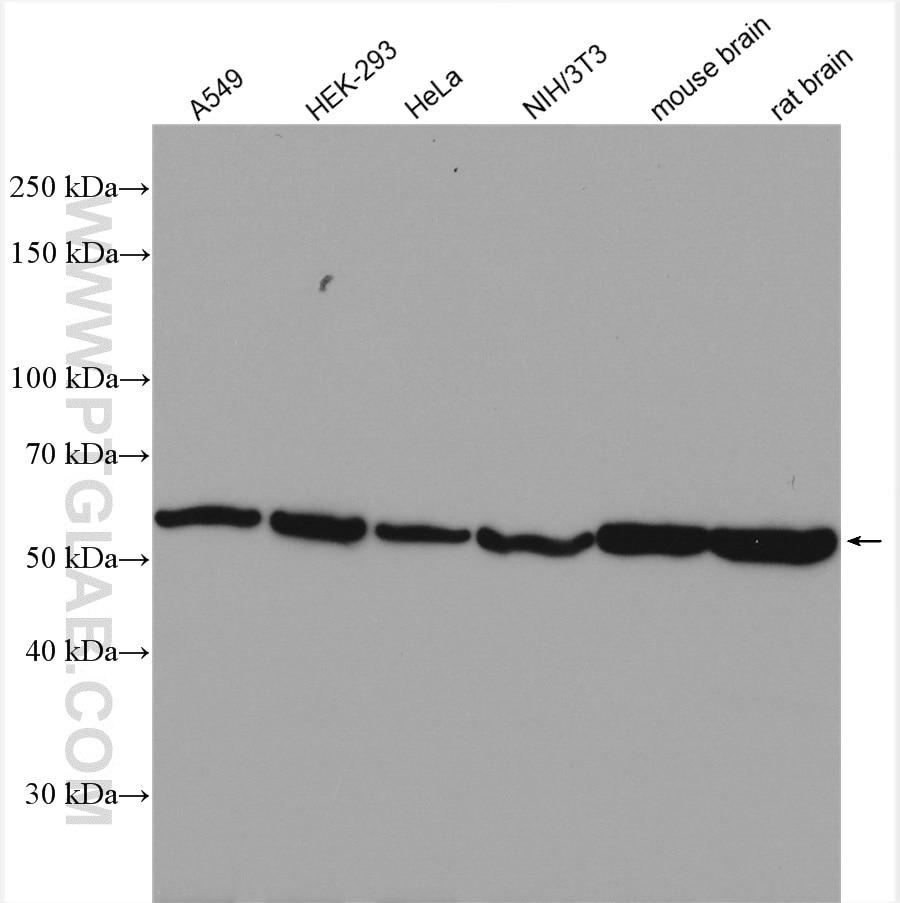
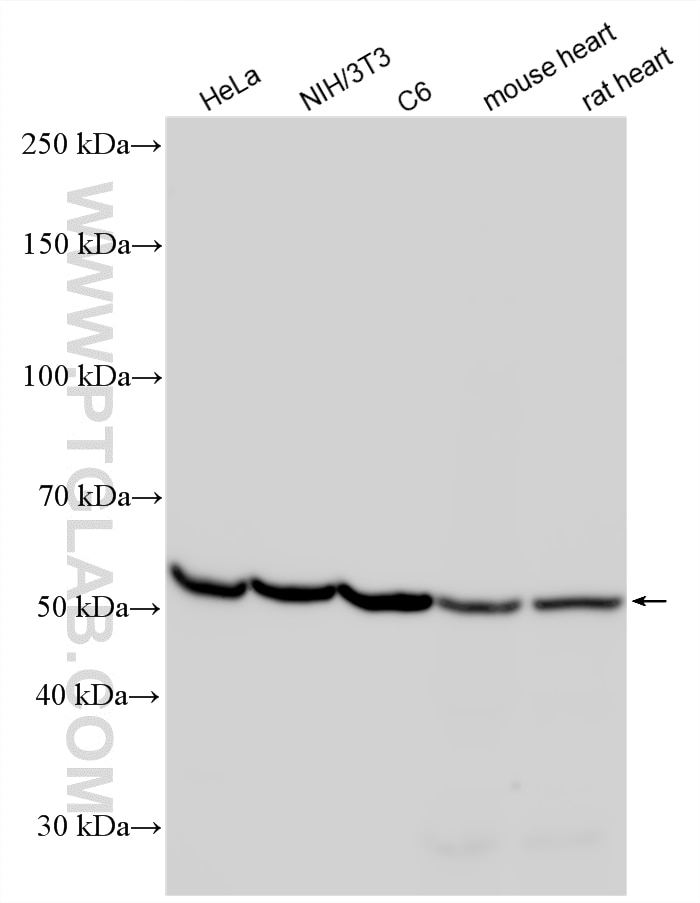
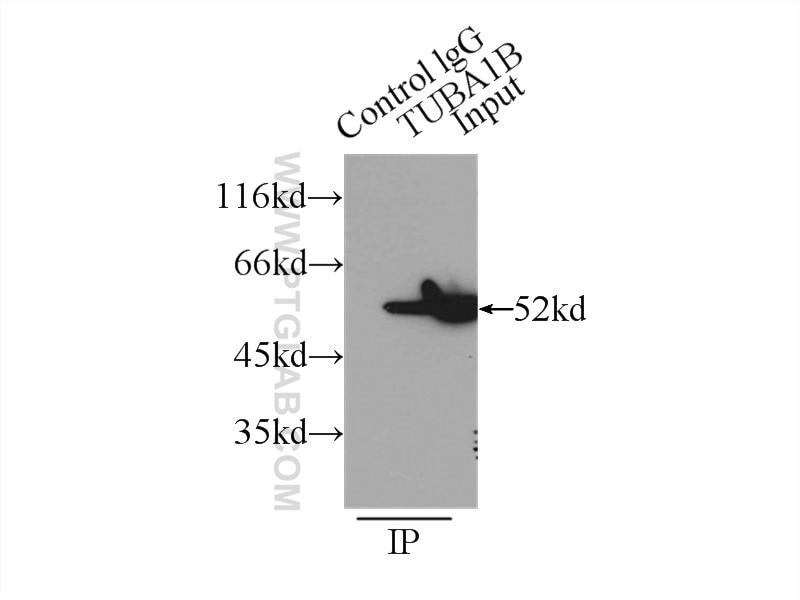
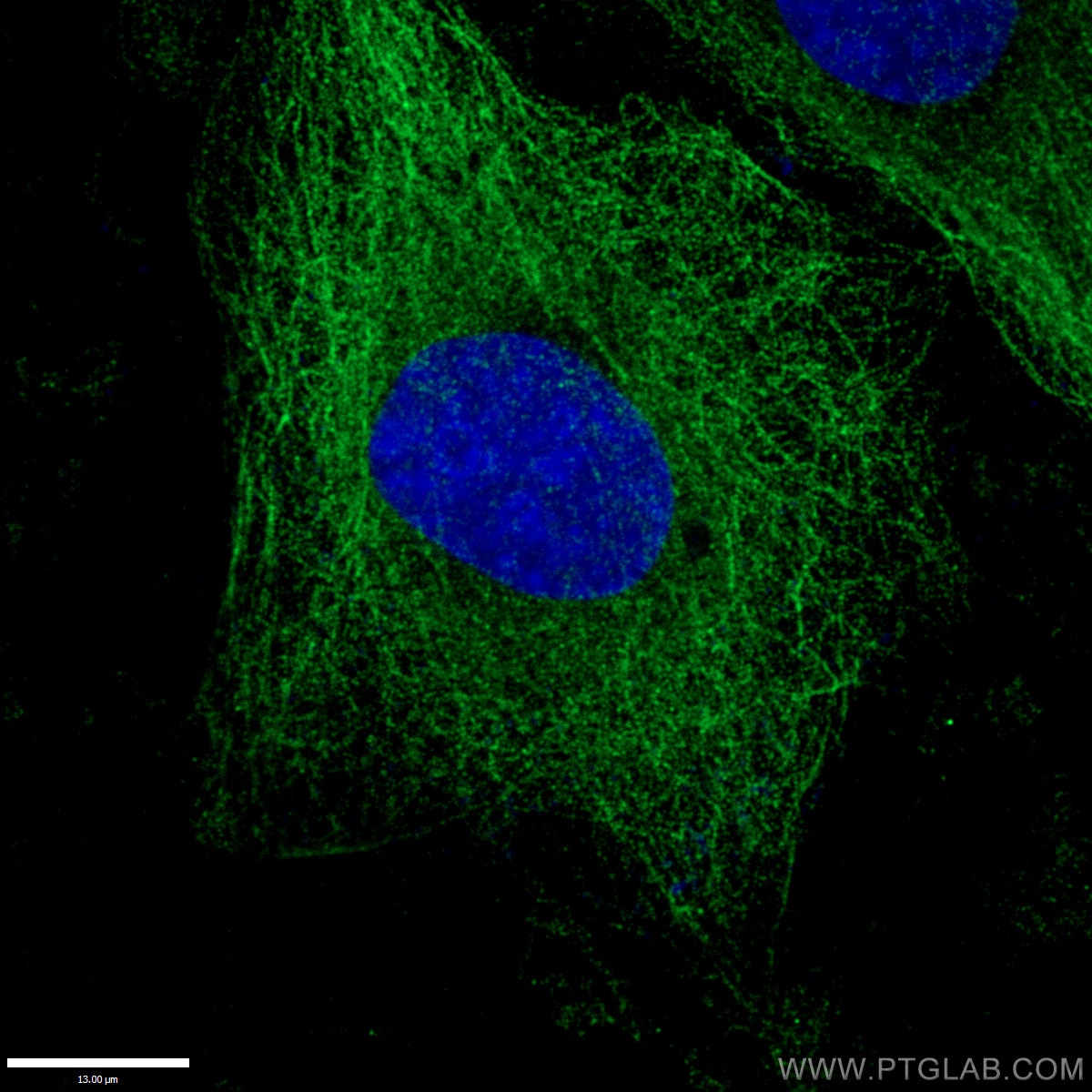
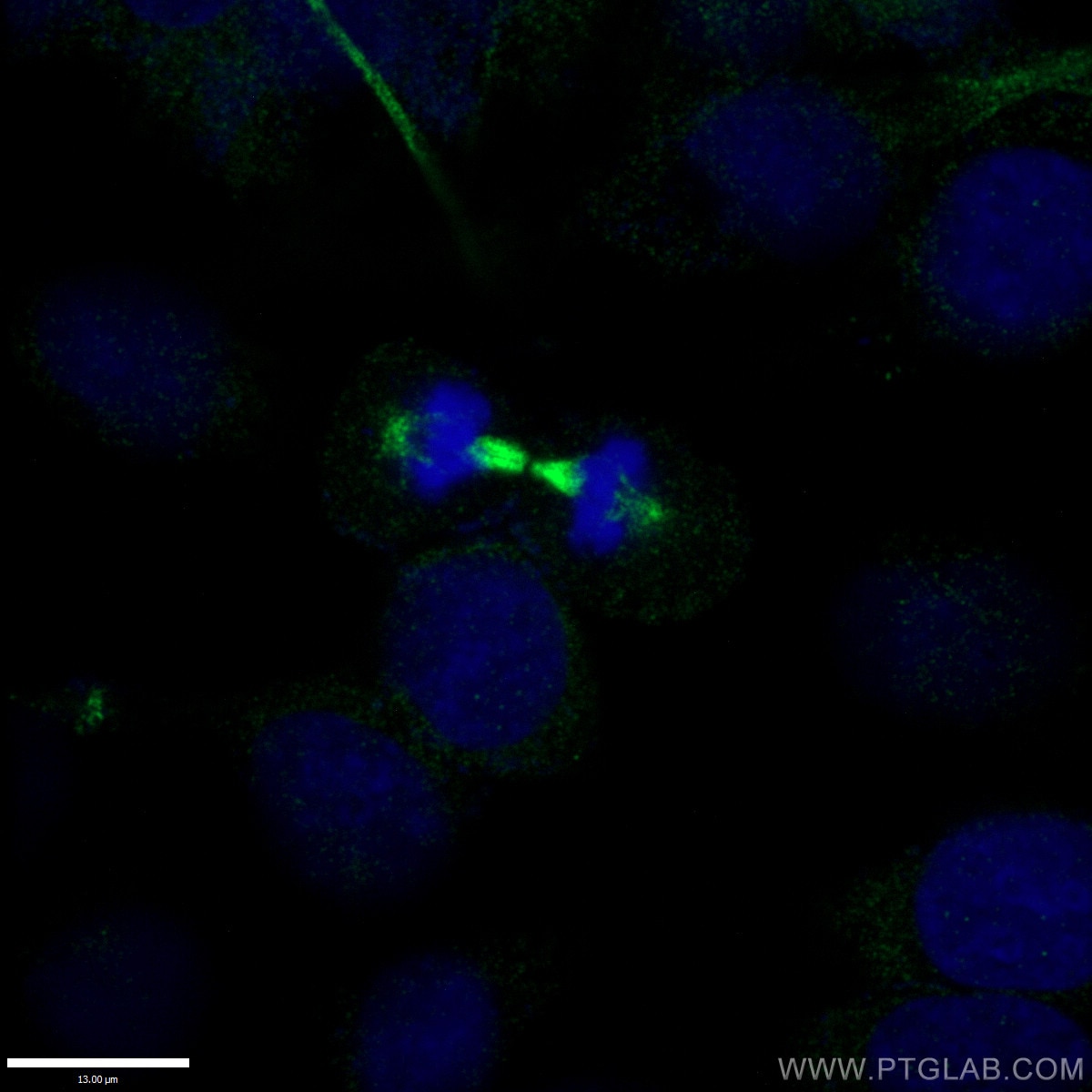
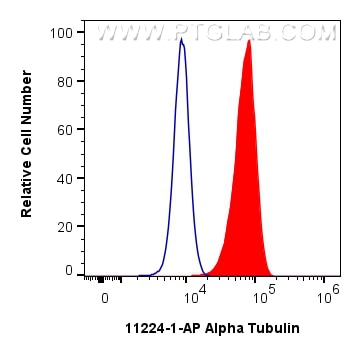
Tested Applications
| Positive WB detected in | HEK-293 cells, A549 cells, HeLa cells, NIH/3T3 cells, rat brain, C6 cells, mouse heart tissue, mouse liver tissue, rat liver tissue, rat heart tissue |
| Positive IP detected in | HeLa cells |
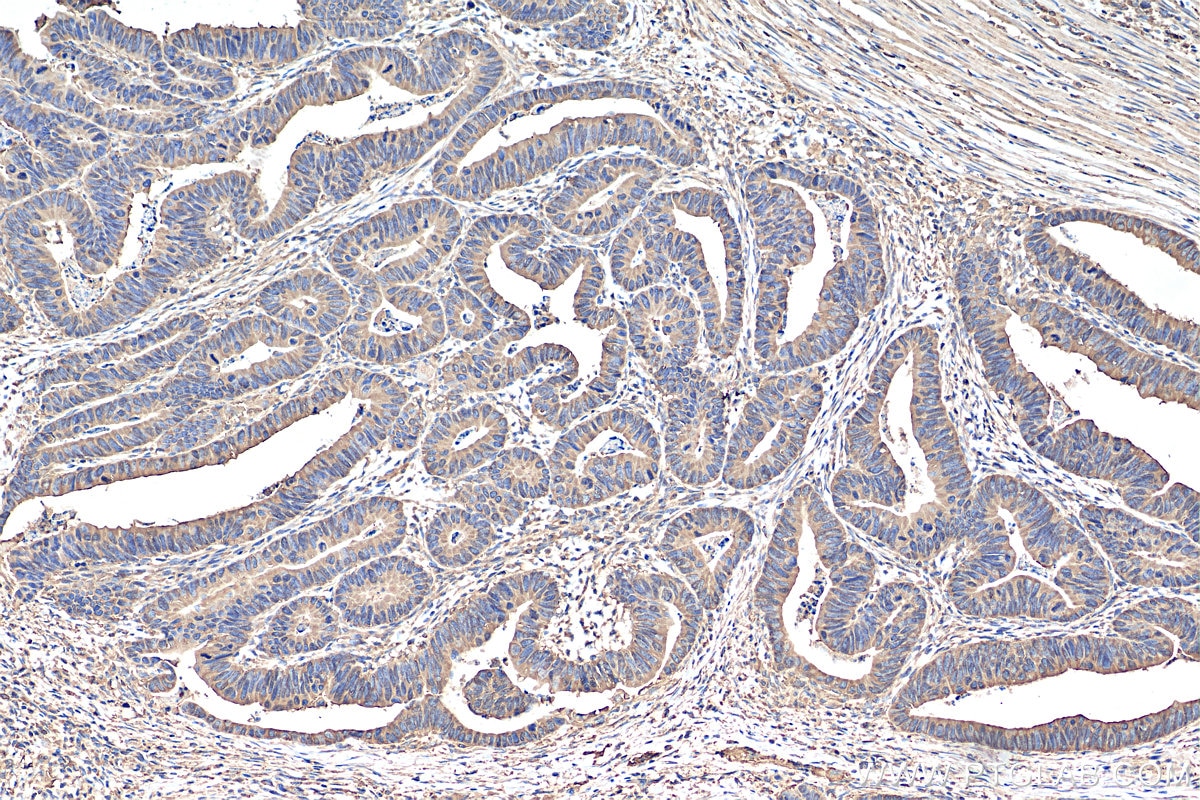
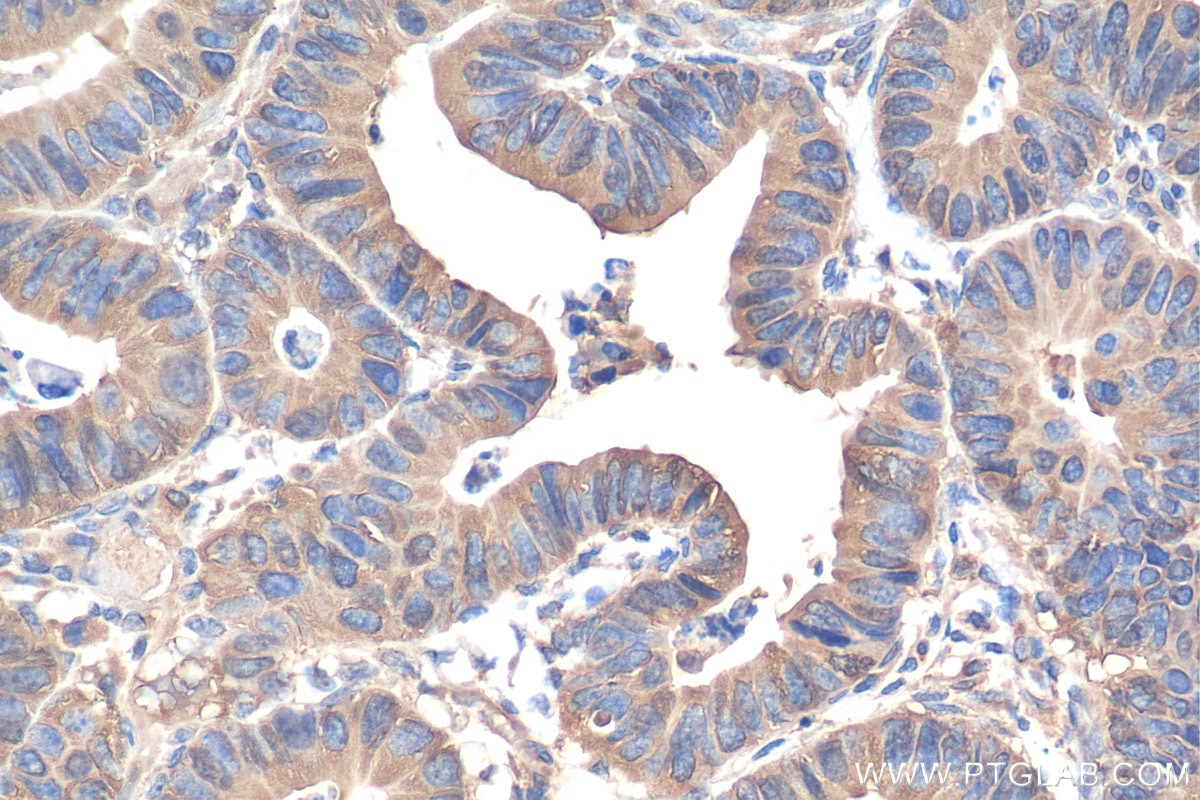
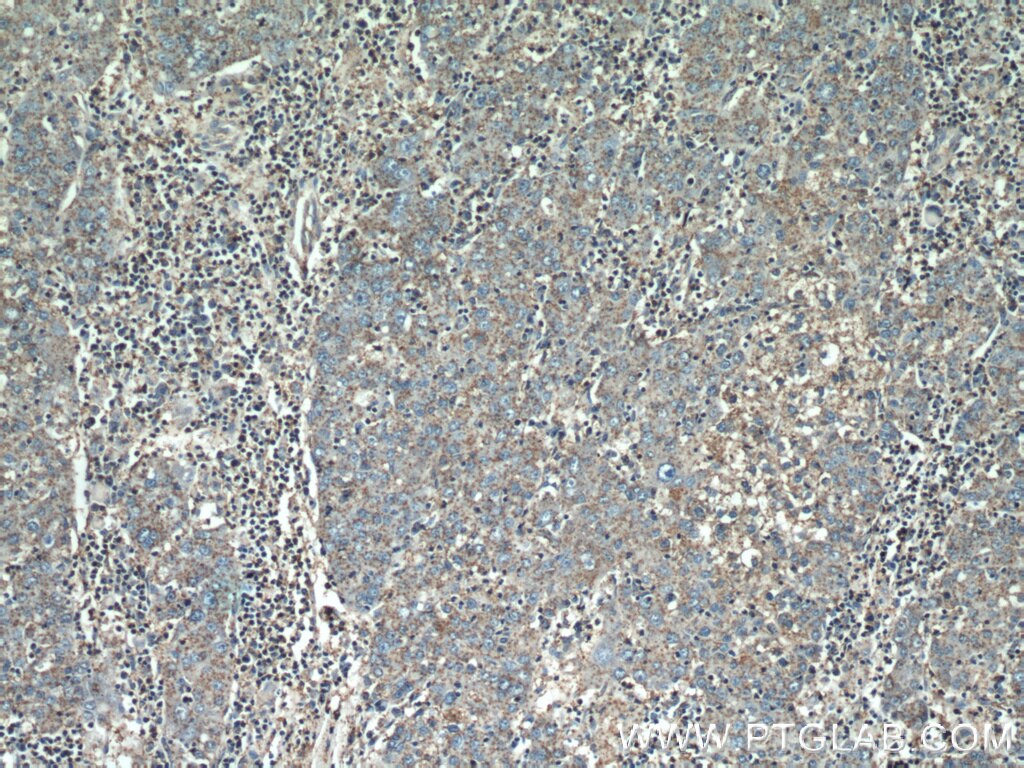
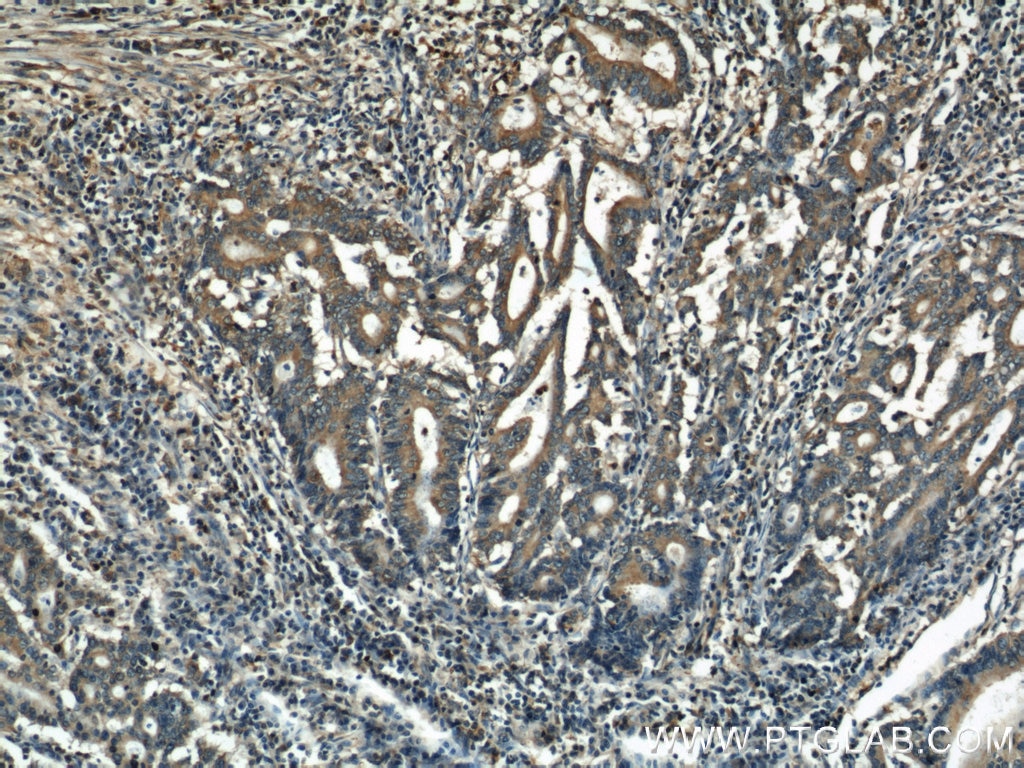
| Positive IHC detected in | human colon cancer tissue, human liver cancer tissue, human endometrial cancer tissue Note: suggested antigen retrieval with TE buffer pH 9.0; (*) Alternatively, antigen retrieval may be performed with citrate buffer pH 6.0 |
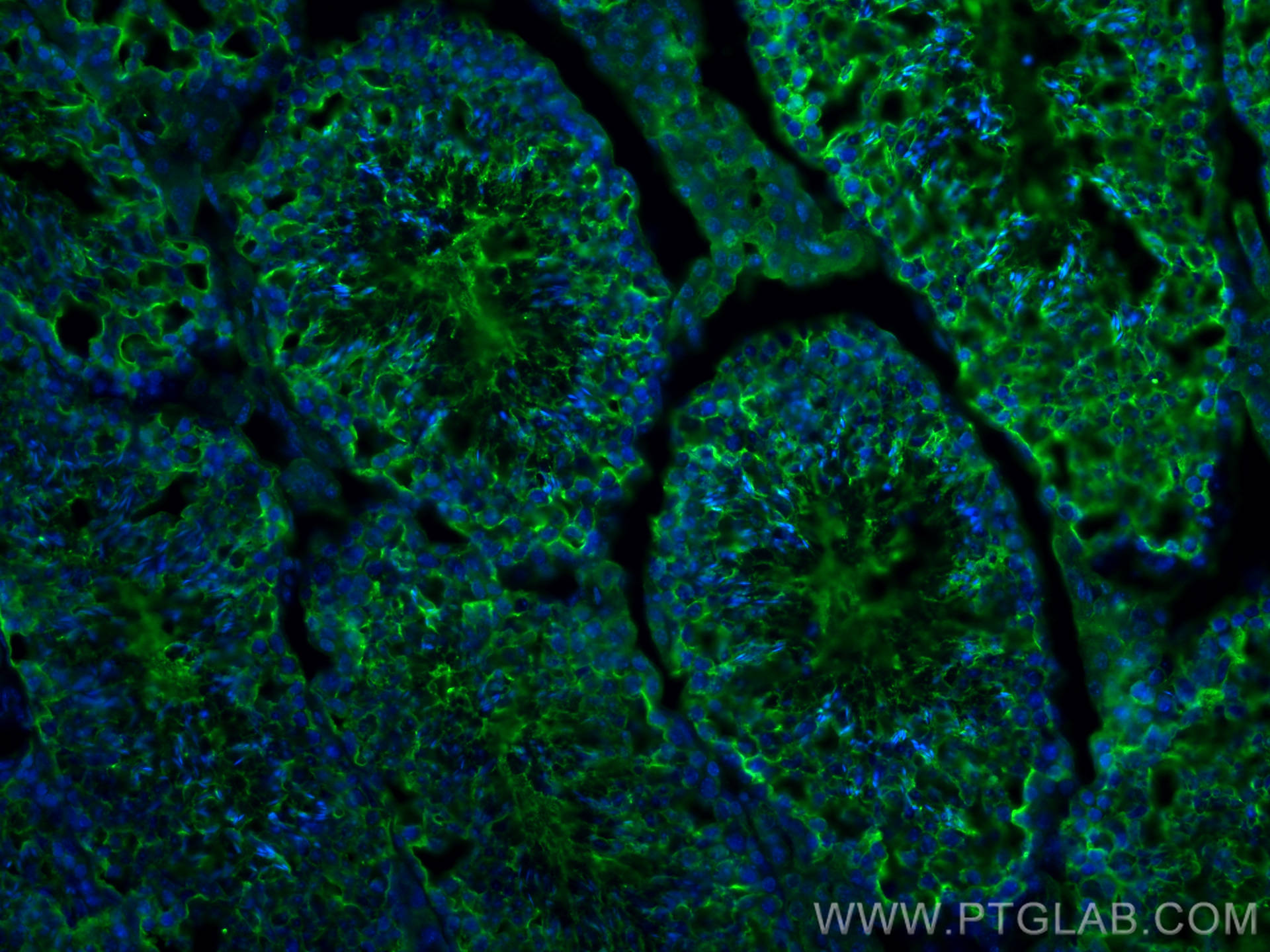
| Positive IF-Fro detected in | mouse testis tissue |
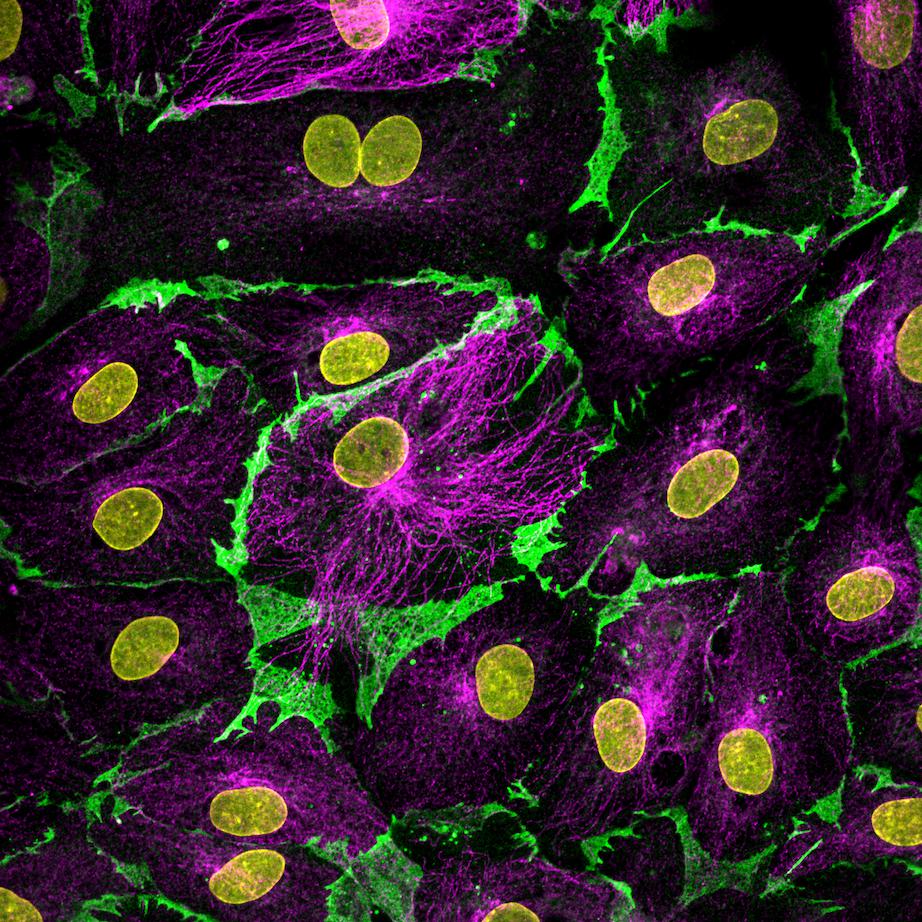
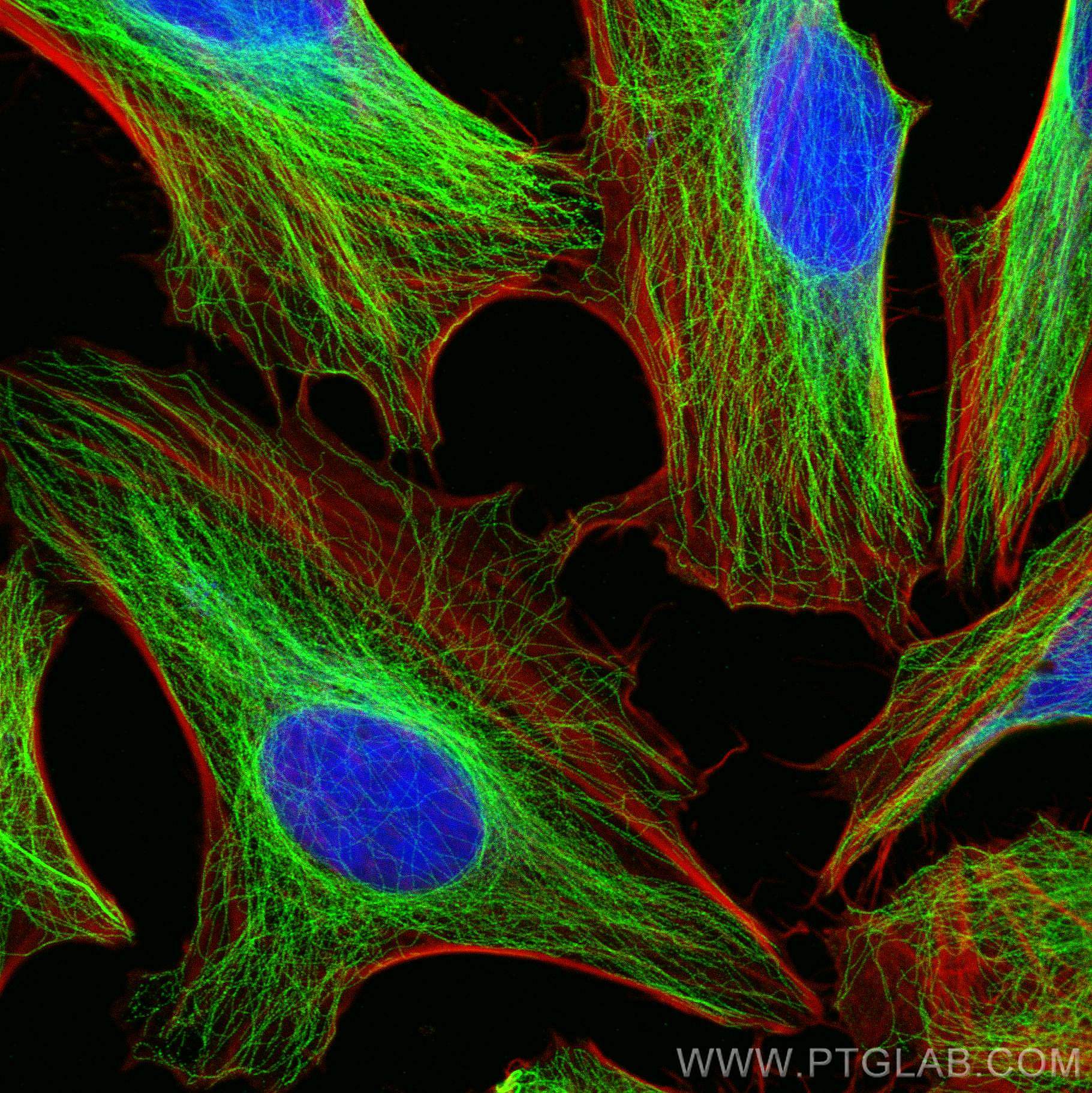
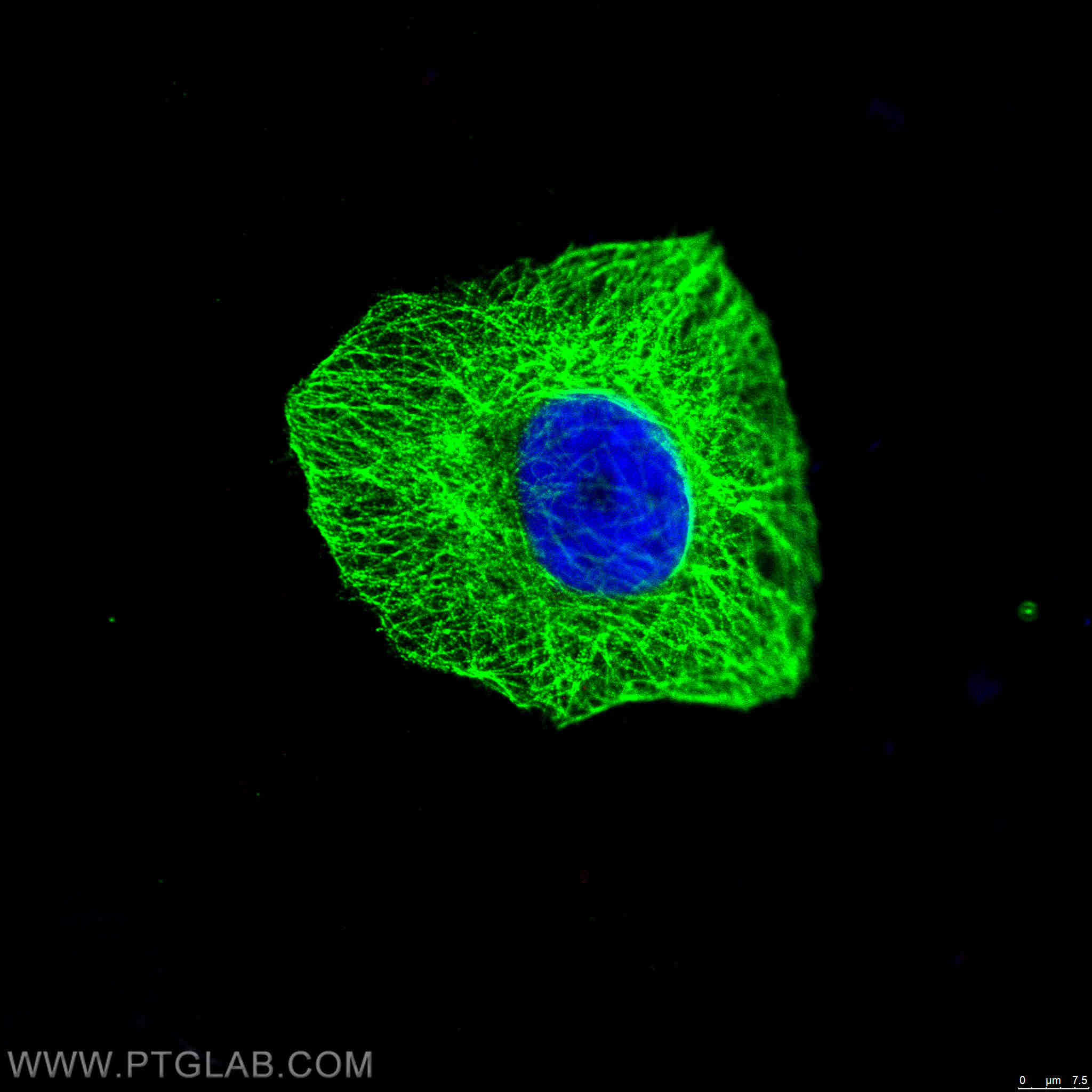
| Positive IF/ICC detected in | HeLa cells, HepG2 cells, MCF-7 cells, Lymphatic endothelial cells cells |
| Positive FC (Intra) detected in | HEK-293 cells |
Recommended dilution
| Application | Dilution |
|---|---|
| Western Blot (WB) | WB : 1:5000-1:50000 |
| Immunoprecipitation (IP) | IP : 0.5-4.0 ug for 1.0-3.0 mg of total protein lysate |
| Immunohistochemistry (IHC) | IHC : 1:50-1:500 |
| Immunofluorescence (IF)-FRO | IF-FRO : 1:50-1:500 |
| Immunofluorescence (IF)/ICC | IF/ICC : 1:50-1:500 |
| Flow Cytometry (FC) (INTRA) | FC (INTRA) : 0.50 ug per 10^6 cells in a 100 µl suspension |
| It is recommended that this reagent should be titrated in each testing system to obtain optimal results. | |
| Sample-dependent, Check data in validation data gallery. | |
Published Applications
| KD/KO | See 1 publications below |
| WB | See 2108 publications below |
| IHC | See 15 publications below |
| IF | See 140 publications below |
| IP | See 17 publications below |
| CoIP | See 3 publications below |
Product Information
11224-1-AP targets Alpha Tubulin in WB, IHC, IF/ICC, IF-Fro, FC (Intra), IP, CoIP, ELISA, Western Blot applications and shows reactivity with human, mouse, rat samples.
| Tested Reactivity | human, mouse, rat |
| Cited Reactivity | human, mouse, rat, rabbit, monkey, chicken, zebrafish, sheep, goat |
| Host / Isotype | Rabbit / IgG |
| Class | Polyclonal |
| Type | Antibody |
| Immunogen |
CatNo: Ag1727 Product name: Recombinant human Tubulin-Alpha protein Source: e coli.-derived, PGEX-4T Tag: GST Domain: 1-451 aa of BC009314 Sequence: MRECISIHVGQAGVQIGNACWELYCLEHGIQPDGQMPSDKTIGGGDDSFNTFFSETGAGKHVPRAVFVDLEPTVIDEVRTGTYRQLFHPEQLITGKEDAANNYARGHYTIGKEIIDLVLDRIRKLADQCTGLQGFLVFHSFGGGTGSGFTSLLMERLSVDYGKKSKLEFSIYPAPQVSTAVVEPYNSILTTHTTLEHSDCAFMVDNEAIYDICRRNLDIERPTYTNLNRLISQIVSSITASLRFDGALNVDLTEFQTNLVPYPRIHFPLATYAPVISAEKAYHEQLSVAEITNACFEPANQMVKCDPRHGKYMACCLLYRGDVVPKDVNAAIATIKTKRSIQFVDWCPTGFKVGINYQPPTVVPGGDLAKVQRAVCMLSNTTAIAEAWARLDHKFDLMYAKRAFVHWYVGEGMEEGEFSEAREDMAALEKDYEEVGVDSVEGEGEEEGEEY 相同性解析による交差性が予測される生物種 |
| Full Name | tubulin, alpha 1b |
| Calculated molecular weight | 50 kDa |
| Observed molecular weight | 50-55 kDa |
| GenBank accession number | BC009314 |
| Gene Symbol | Alpha Tubulin |
| Gene ID (NCBI) | 10376 |
| RRID | AB_2210206 |
| Conjugate | Unconjugated |
| Form | |
| Form | Liquid |
| Purification Method | Antigen affinity purification |
| UNIPROT ID | P68363 |
| Storage Buffer | PBS with 0.02% sodium azide and 50% glycerol{{ptg:BufferTemp}}7.3 |
| Storage Conditions | Store at -20°C. Stable for one year after shipment. Aliquoting is unnecessary for -20oC storage. |
Background Information
What is the function of alpha tubulin?
Alpha-tubulin belongs to a large superfamily of tubulin proteins. There are a number of different subtypes that have a molecular weight of ~50kDa and are able to bind to beta-tubulin, forming a heterodimer that polymerises to microtubules as part of the cytoskeleton. These maintain cell structure, provide platforms for intracellular transport and are also involved in cell division.
Where is alpha-tubulin expressed?
Alpha tubulin is highly conserved and is present in nearly all eukaryotic cells as one of the building blocks of microtubules. The ubiquitous nature of this protein has led to its common use as a control protein for many tissue types as well as highlighting the structure of the cytoskeleton.
What are the post-translational modifications of alpha tubulin?
The function and properties of microtubules are drastically affected by the post-translational modifications undergone by tubulin, which may occur to the tubulin dimer directly or to the polymerised mictotubule. For example, the first modification to be identified was detyrosination1, as most alpha-tubulins have a tyrosine at their terminus. This process affects microtubules more than dimers and leads to patches of detyronisation along the structure, regulating protein interactions and allowing subcellular compartments to be defined.2,3 Polyglutamylation also occurs on several sites within the carboxy-terminal tails. However, to date, the most-studied alpha tubulin modification is related to acetylation of lysine 40 (K40).
1. Gundersen, G. G., Khawaja, S. & Bulinski, J. C. Postpolymerization detyrosination of alpha-tubulin: a mechanism for subcellular differentiation of microtubules. J. Cell Biol. 105, 251-64 (1987).
2. Galjart, N. Plus-End-Tracking Proteins and Their Interactions at Microtubule Ends. Curr. Biol. 20, R528-R537 (2010).
3. Jiang, K. & Akhmanova, A. Microtubule tip-interacting proteins: a view from both ends. Curr. Opin. Cell Biol. 23, 94-101 (2011).
Protocols
| Product Specific Protocols | |
|---|---|
| FC protocol for Alpha Tubulin antibody 11224-1-AP | Download protocol |
| IF protocol for Alpha Tubulin antibody 11224-1-AP | Download protocol |
| IHC protocol for Alpha Tubulin antibody 11224-1-AP | Download protocol |
| IP protocol for Alpha Tubulin antibody 11224-1-AP | Download protocol |
| WB protocol for Alpha Tubulin antibody 11224-1-AP | Download protocol |
| Standard Protocols | |
|---|---|
| Click here to view our Standard Protocols |
Publications
| Species | Application | Title |
|---|---|---|
Signal Transduct Target Ther Targeting polarized phenotype of microglia via IL6/JAK2/STAT3 signaling to reduce NSCLC brain metastasis. | ||
Signal Transduct Target Ther Aberrantly high activation of a FoxM1-STMN1 axis contributes to progression and tumorigenesis in FoxM1-driven cancers. | ||
Signal Transduct Target Ther Targeting HECTD3-IKKα axis inhibits inflammation-related metastasis | ||
Signal Transduct Target Ther SARS-CoV-2 triggers inflammatory responses and cell death through caspase-8 activation. | ||
Signal Transduct Target Ther Phosphorylation determines the glucose metabolism reprogramming and tumor-promoting activity of sine oculis homeobox 1 | ||
Signal Transduct Target Ther Aberrant epithelial cell interaction promotes esophageal squamous-cell carcinoma development and progression |