
Validation Data Gallery
Tested Applications
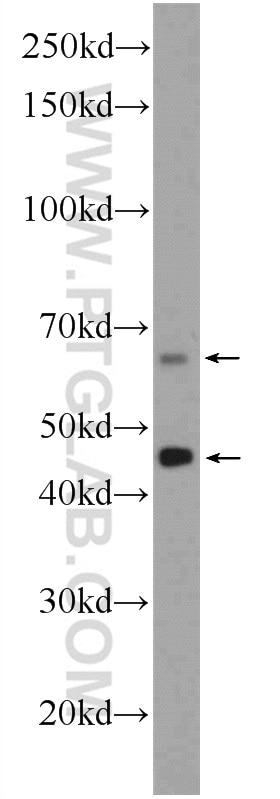
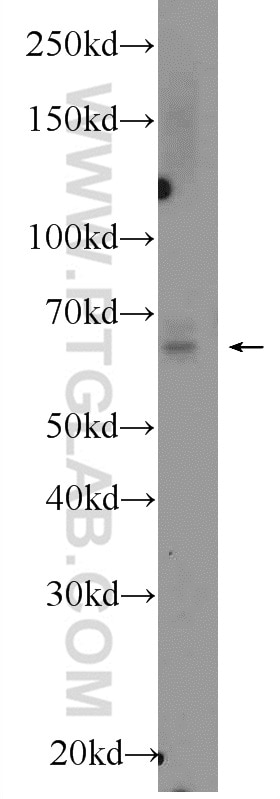
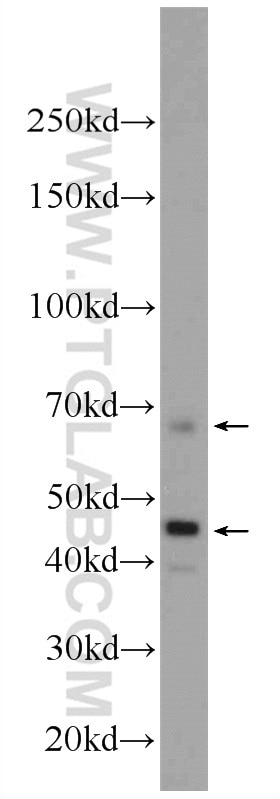
| Positive WB detected in | HEK-293 cells, HepG2 cells, Jurkat cells |
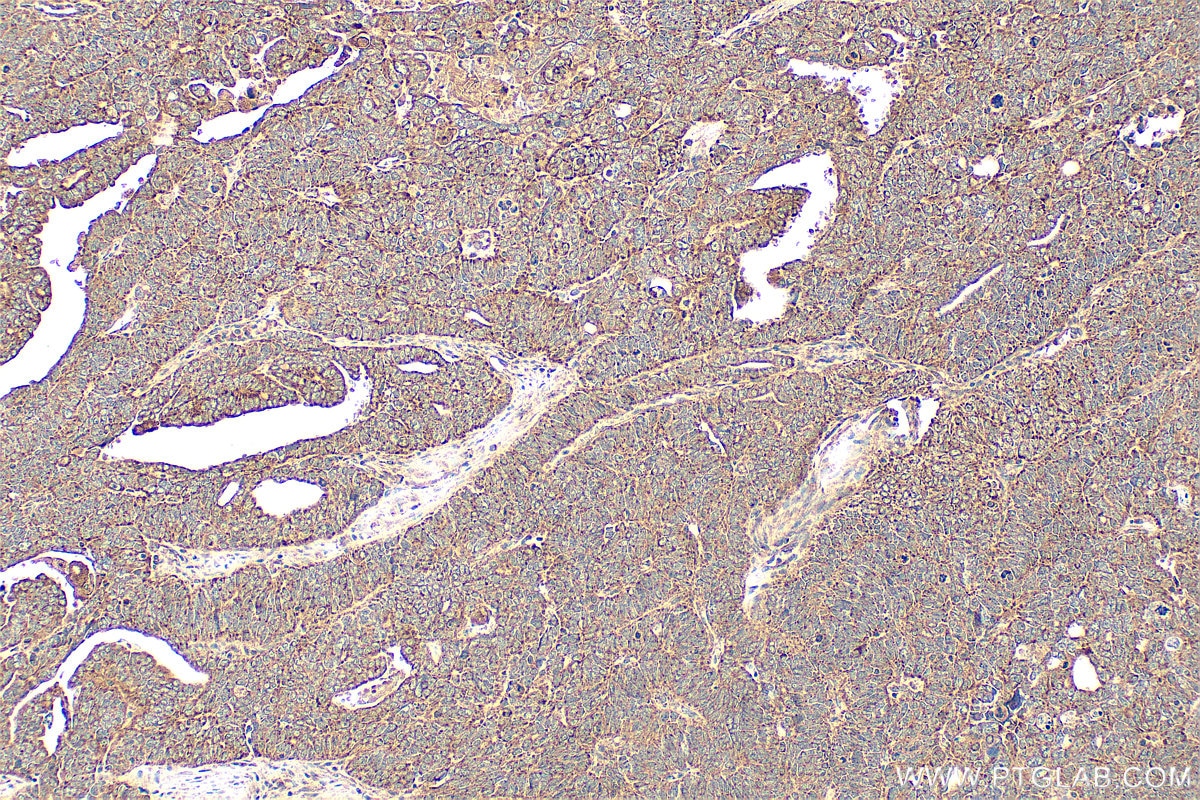
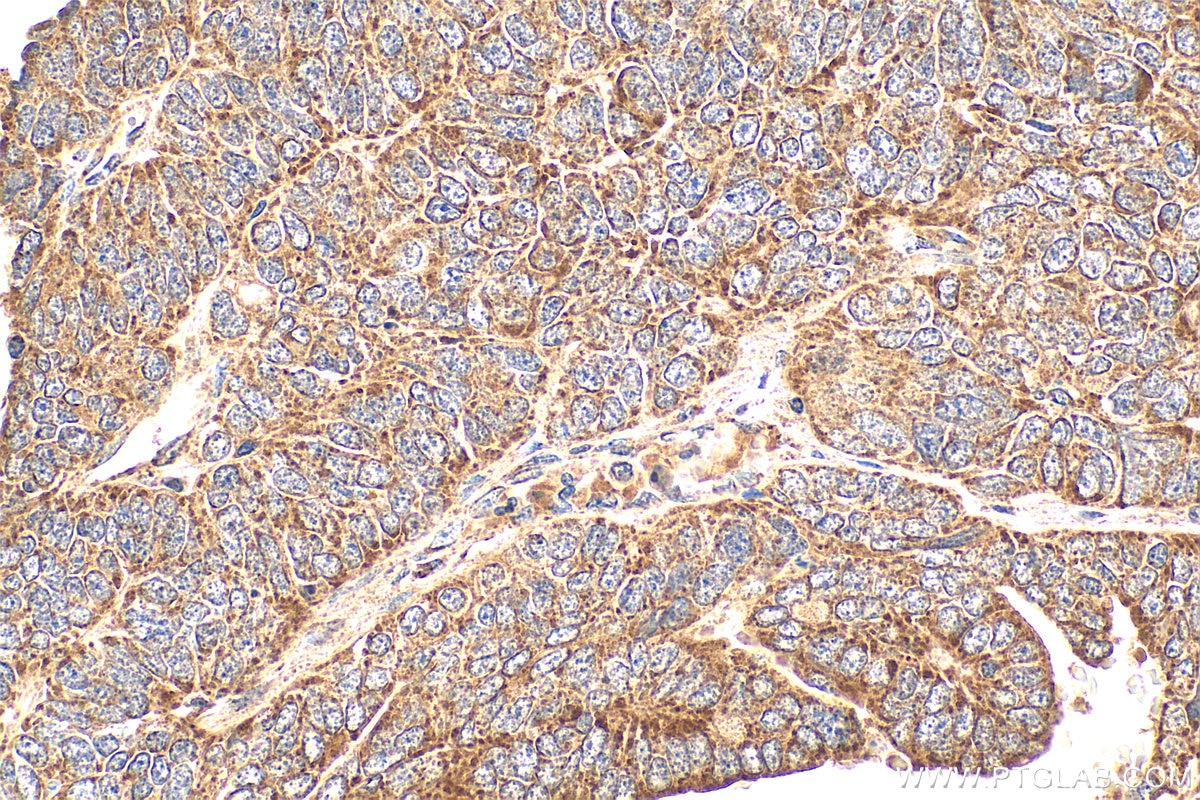
| Positive IHC detected in | human ovary tumor tissue Note: suggested antigen retrieval with TE buffer pH 9.0; (*) Alternatively, antigen retrieval may be performed with citrate buffer pH 6.0 |
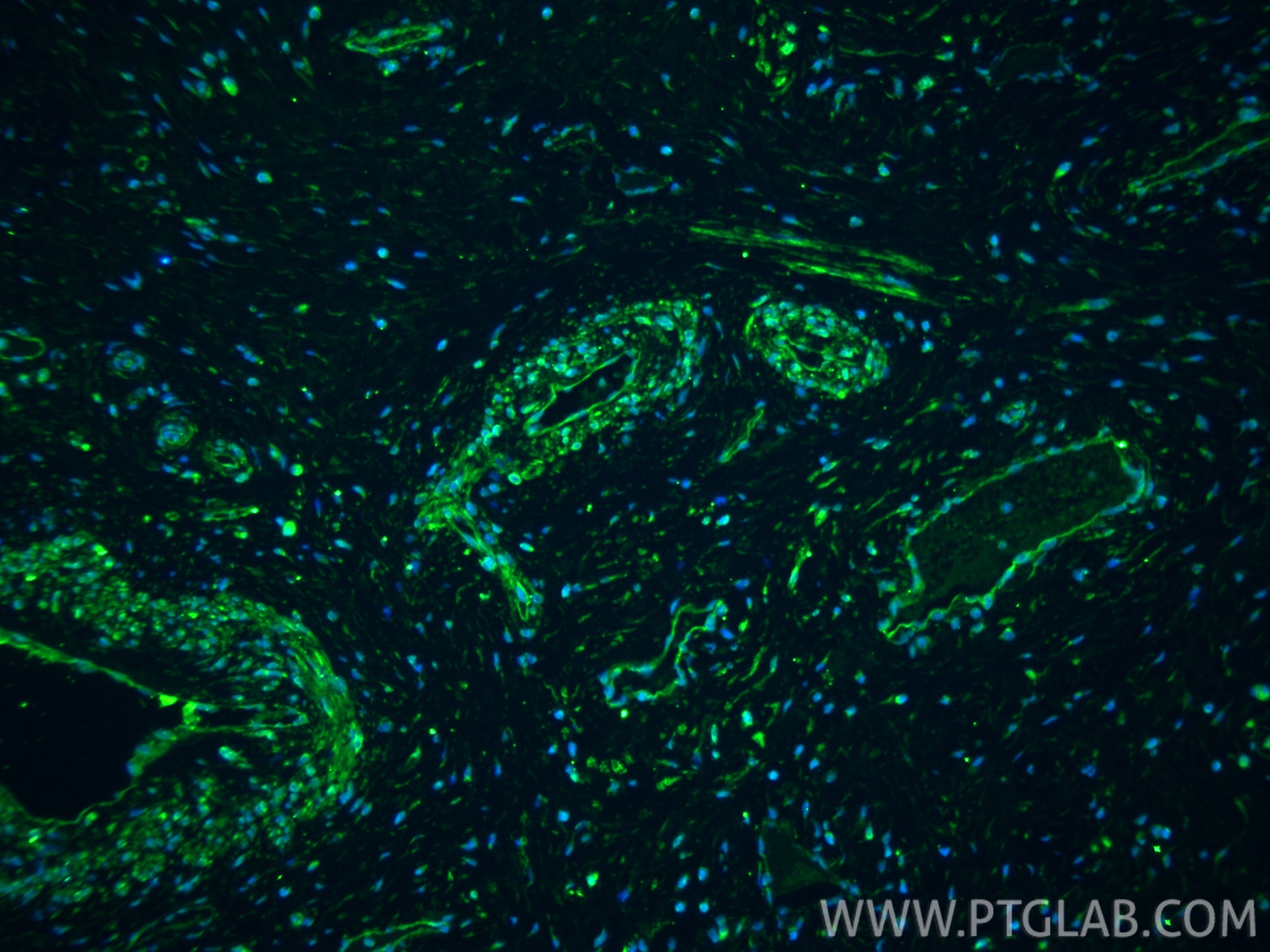
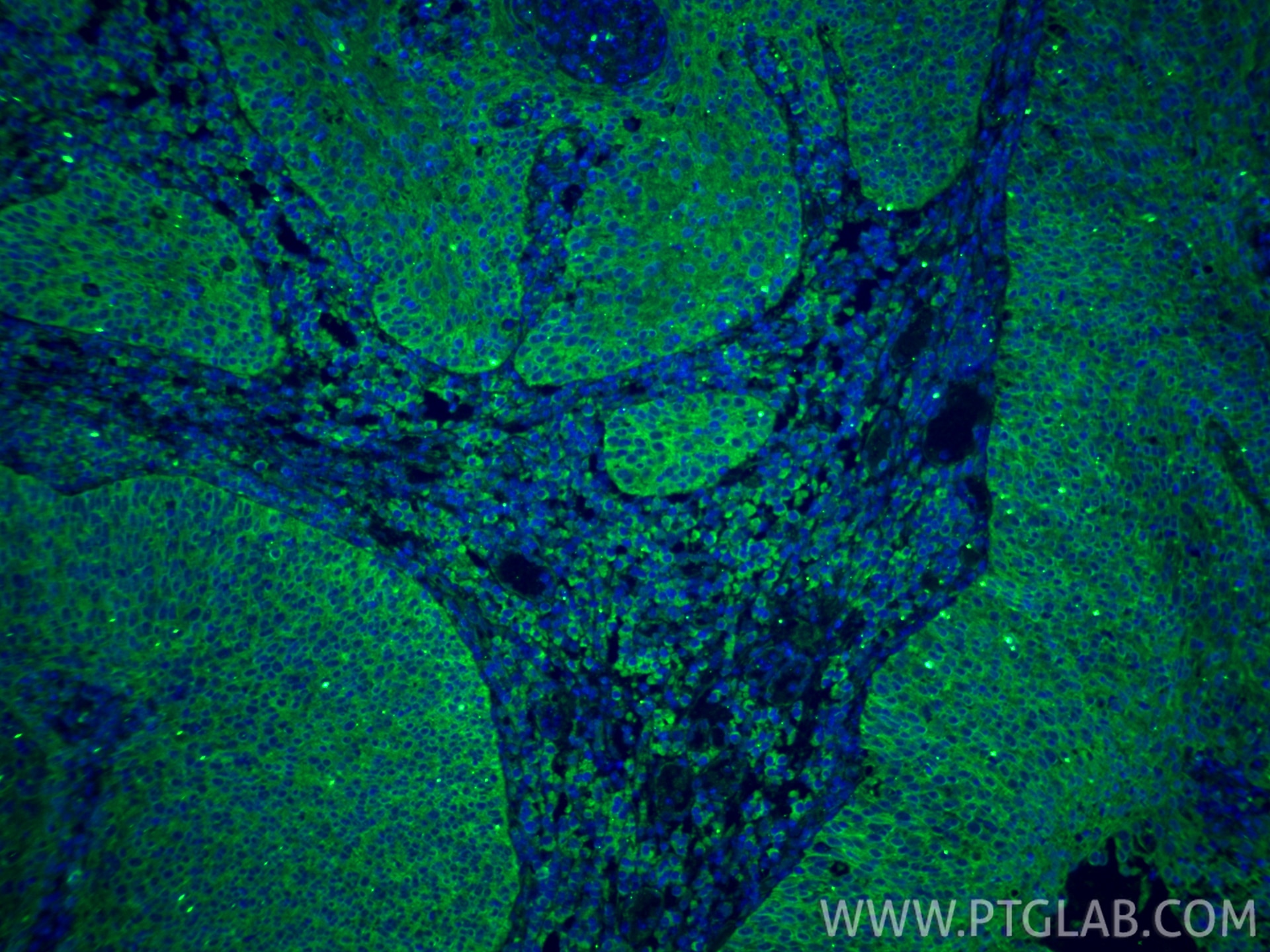
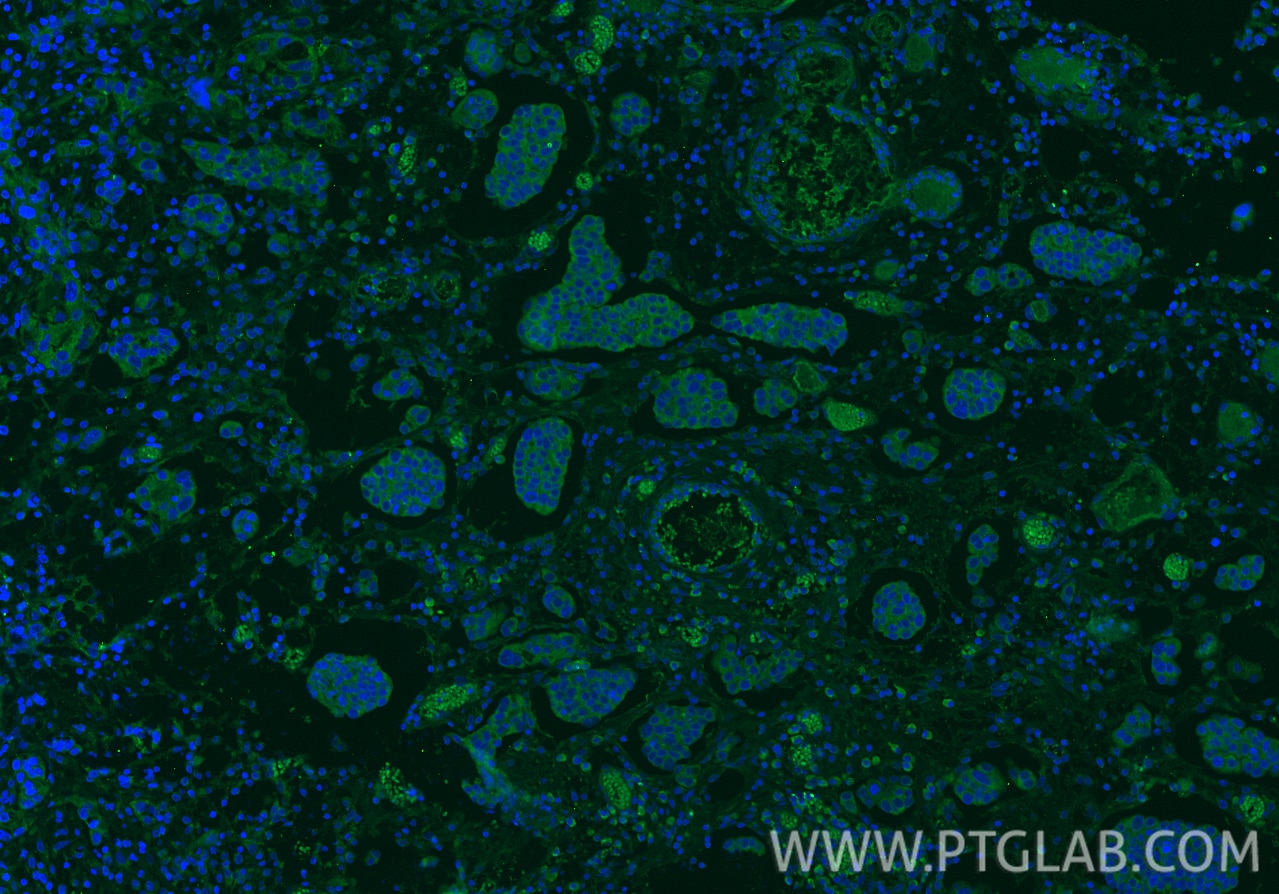
| Positive IF-P detected in | human cervical cancer tissue, human ovary tumor tissue |
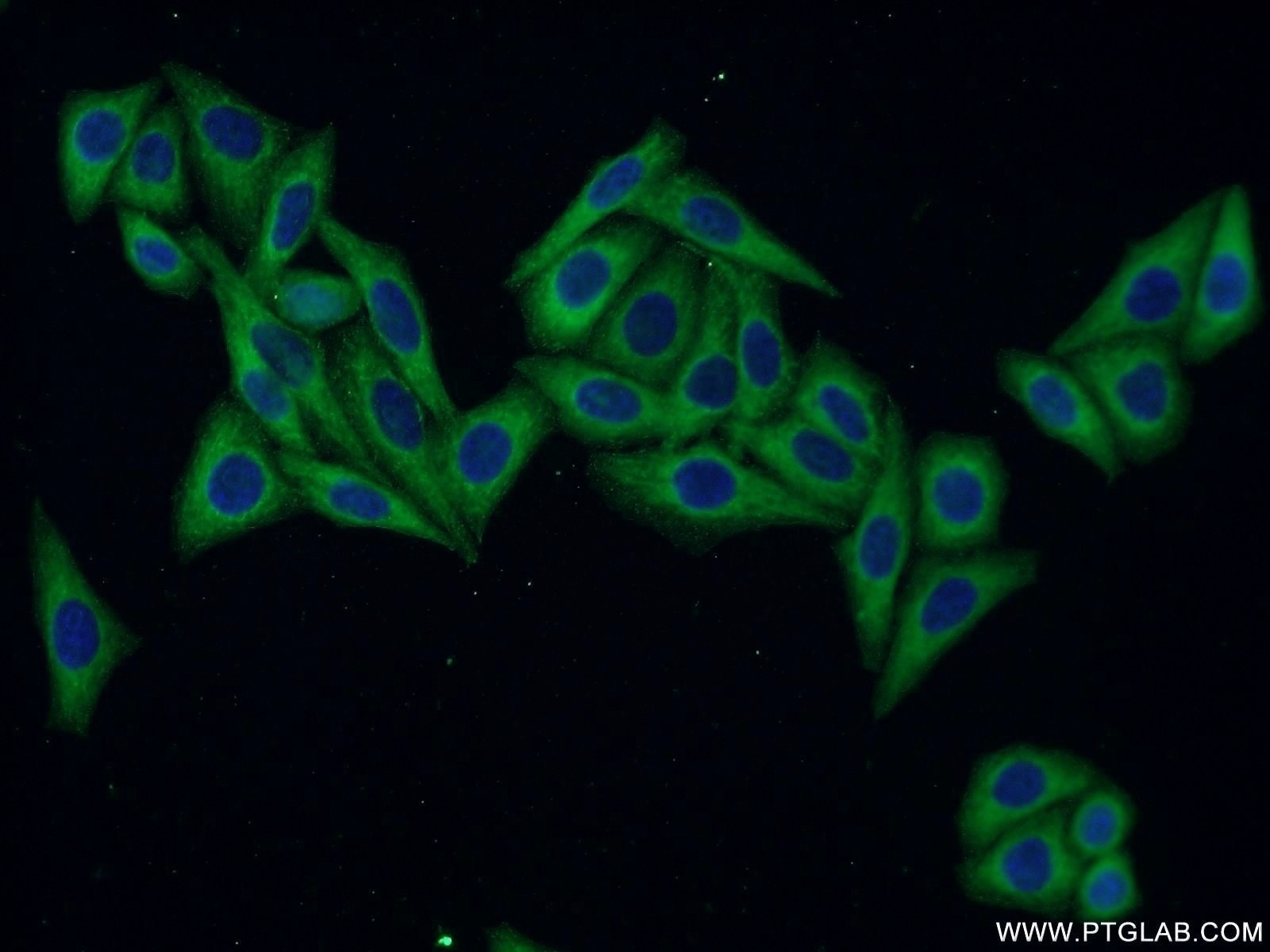
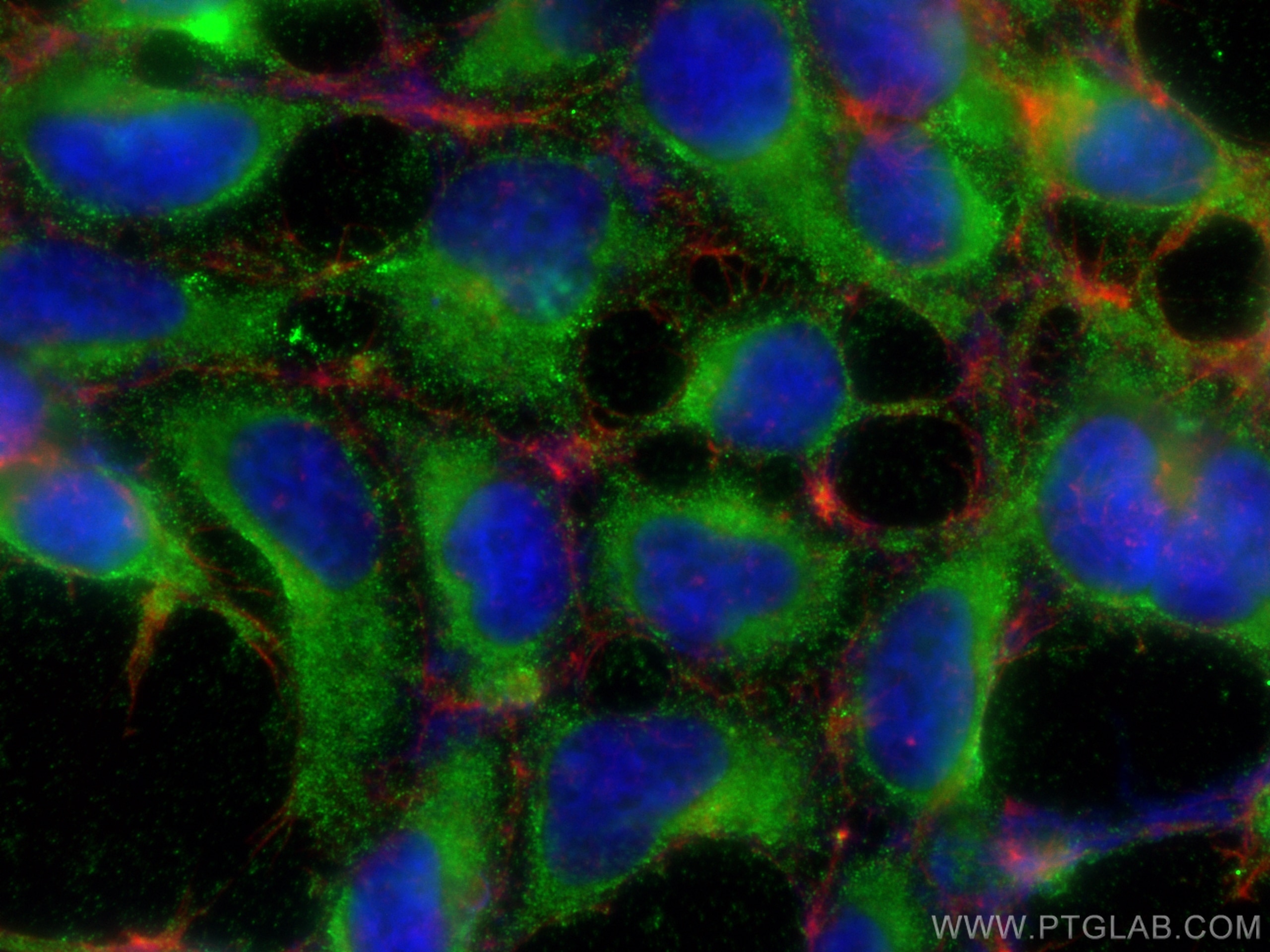
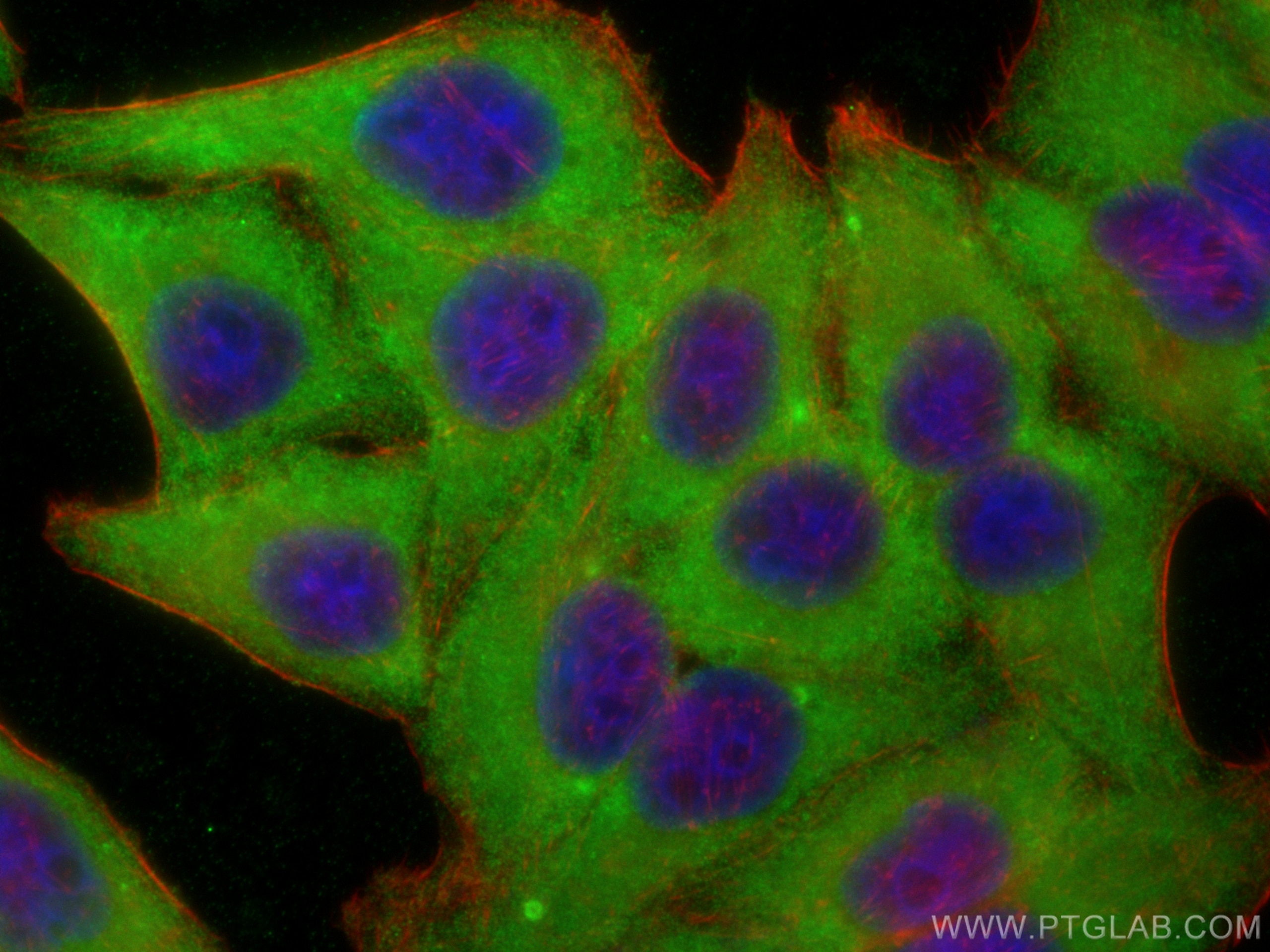
| Positive IF/ICC detected in | HepG2 cells, HEK-293 cells |
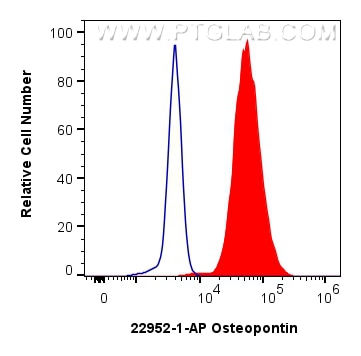
| Positive FC (Intra) detected in | HepG2 cells |
Recommended dilution
| Application | Dilution |
|---|---|
| Western Blot (WB) | WB : 1:500-1:2000 |
| Immunohistochemistry (IHC) | IHC : 1:50-1:500 |
| Immunofluorescence (IF)-P | IF-P : 1:200-1:800 |
| Immunofluorescence (IF)/ICC | IF/ICC : 1:200-1:800 |
| Flow Cytometry (FC) (INTRA) | FC (INTRA) : 0.40 ug per 10^6 cells in a 100 µl suspension |
| It is recommended that this reagent should be titrated in each testing system to obtain optimal results. | |
| Sample-dependent, Check data in validation data gallery. | |
Published Applications
| KD/KO | See 14 publications below |
| WB | See 381 publications below |
| IHC | See 142 publications below |
| IF | See 163 publications below |
| ELISA | See 1 publications below |
| CoIP | See 4 publications below |
Product Information
22952-1-AP targets Osteopontin in WB, IHC, IF/ICC, IF-P, FC (Intra), CoIP, ELISA applications and shows reactivity with human samples.
| Tested Reactivity | human |
| Cited Reactivity | human, pig, rabbit, bovine |
| Host / Isotype | Rabbit / IgG |
| Class | Polyclonal |
| Type | Antibody |
| Immunogen |
CatNo: Ag19216 Product name: Recombinant human OPN, SPP1 protein Source: e coli.-derived, PGEX-4T Tag: GST Domain: 13-300 aa of BC007016 Sequence: ITCAIPVKQADSGSSEEKQLYNKYPDAVATWLNPDPSQKQNLLAPQTLPSKSNESHDHMDDMDDEDDDDHVDSQDSIDSNDSDDVDDTDDSHQSDESHHSDESDELVTDFPTDLPATEVFTPVVPTVDTYDGRGDSVVYGLRSKSKKFRRPDIQYPDATDEDITSHMESEELNGAYKAIPVAQDLNAPSDWDSRGKDSYETSQLDDQSAETHSHKQSRLYKRKANDESNEHSDVIDSQELSKVSREFHSHEFHSHEDMLVVDPKSKEEDKHLKFRISHELDSASSEVN 相同性解析による交差性が予測される生物種 |
| Full Name | secreted phosphoprotein 1 |
| Calculated molecular weight | 314 aa, 35 kDa |
| Observed molecular weight | 70 kDa, 44-66 kDa |
| GenBank accession number | BC007016 |
| Gene Symbol | Osteopontin |
| Gene ID (NCBI) | 6696 |
| RRID | AB_2783651 |
| Conjugate | Unconjugated |
| Form | |
| Form | Liquid |
| Purification Method | Antigen affinity purification |
| UNIPROT ID | P10451 |
| Storage Buffer | PBS with 0.02% sodium azide and 50% glycerol{{ptg:BufferTemp}}7.3 |
| Storage Conditions | Store at -20°C. Stable for one year after shipment. Aliquoting is unnecessary for -20oC storage. |
Background Information
Osteopontin (OPN), also known as SPP1, is a secreted glycophosphoprotein that belongs to the small integrin-binding ligand N-linked glycoprotein (SIBLING) family. Originally isolated from bone, OPN has been found in kidneys, vascular tissues, biological fluids, and various tumor tissues (PMID: 15138464; 16406521). OPN can interact with CD44 and integrins and regulate diverse biological processes. It has a multifaceted role in bone development and remodeling, and is also involved in the inflammatory and immune response, oncogenesis and cancer progression. The very acidic nature of OPN, as well as the presence of variable posttranslational modifications, has led to anomalous migration in SDS-polyacrylamide gels and therefore to reports of different molecular weights for OPN (PMID: 8293561). Depending on the cell and tissue source and/or the SDS-PAGE system, OPN migrates with a molecular weight of 44-80 kDa, as well as at some smaller bands corresponding to peptide fragments (PMID: 8195113; 17890765).
Protocols
| Product Specific Protocols | |
|---|---|
| FC protocol for Osteopontin antibody 22952-1-AP | Download protocol |
| IF protocol for Osteopontin antibody 22952-1-AP | Download protocol |
| IHC protocol for Osteopontin antibody 22952-1-AP | Download protocol |
| WB protocol for Osteopontin antibody 22952-1-AP | Download protocol |
| Standard Protocols | |
|---|---|
| Click here to view our Standard Protocols |
Publications
| Species | Application | Title |
|---|---|---|
Science A single-cell multiomic analysis identifies molecular and gene-regulatory mechanisms dysregulated in developing Down syndrome neocortex. | ||
Mol Cancer Single-cell RNA sequencing reveals immune microenvironment niche transitions during the invasive and metastatic processes of ground-glass nodules and part-solid nodules in lung adenocarcinoma | ||
Circulation Carbonylation of Runx2 at K176 by 4-Hydroxynonenal Accelerates Vascular Calcification | ||
Cell Metab An integrated multi-omics analysis reveals osteokines involved in global regulation | ||
Immunity Direct microglia replacement reveals pathologic and therapeutic contributions of brain macrophages to a monogenic neurological disease | ||
Exploration (Beijing) Engineered Nature-Based Sonosensitizer for Broad-Spectrum Infectious Tissue Repair via Sono-Ionic Therapy. |