
Validation Data Gallery
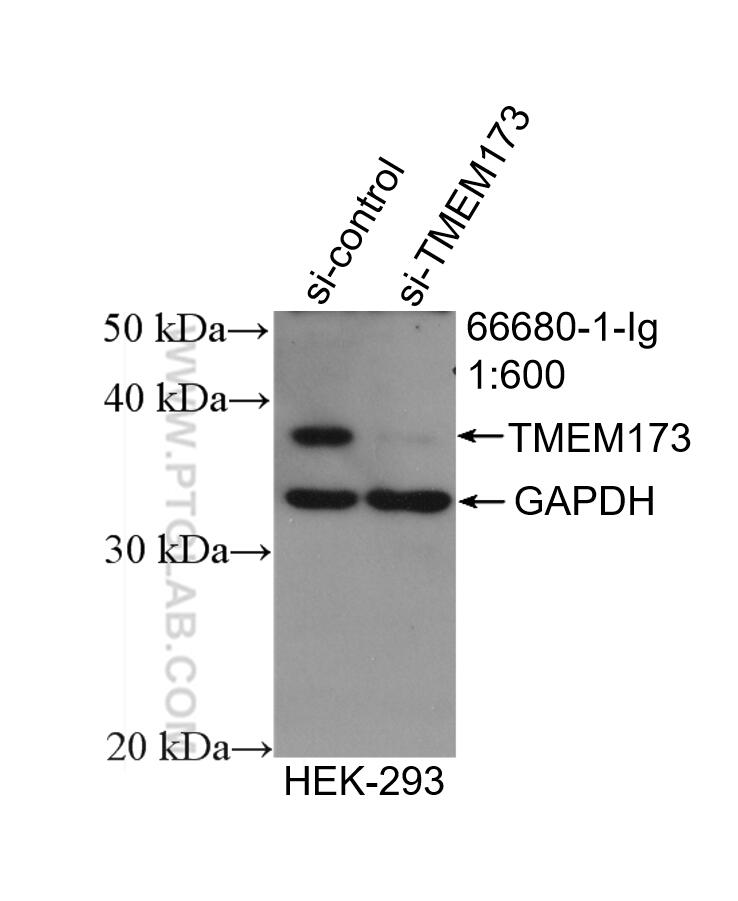
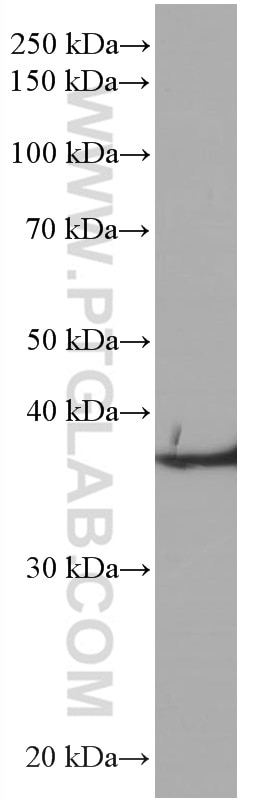
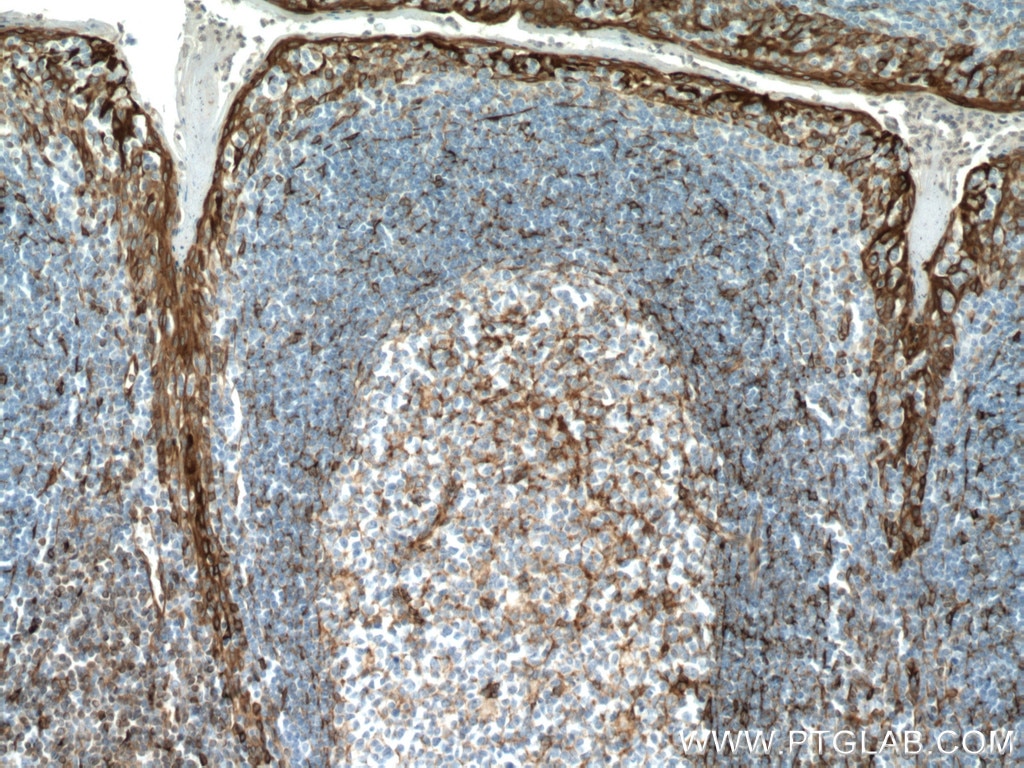
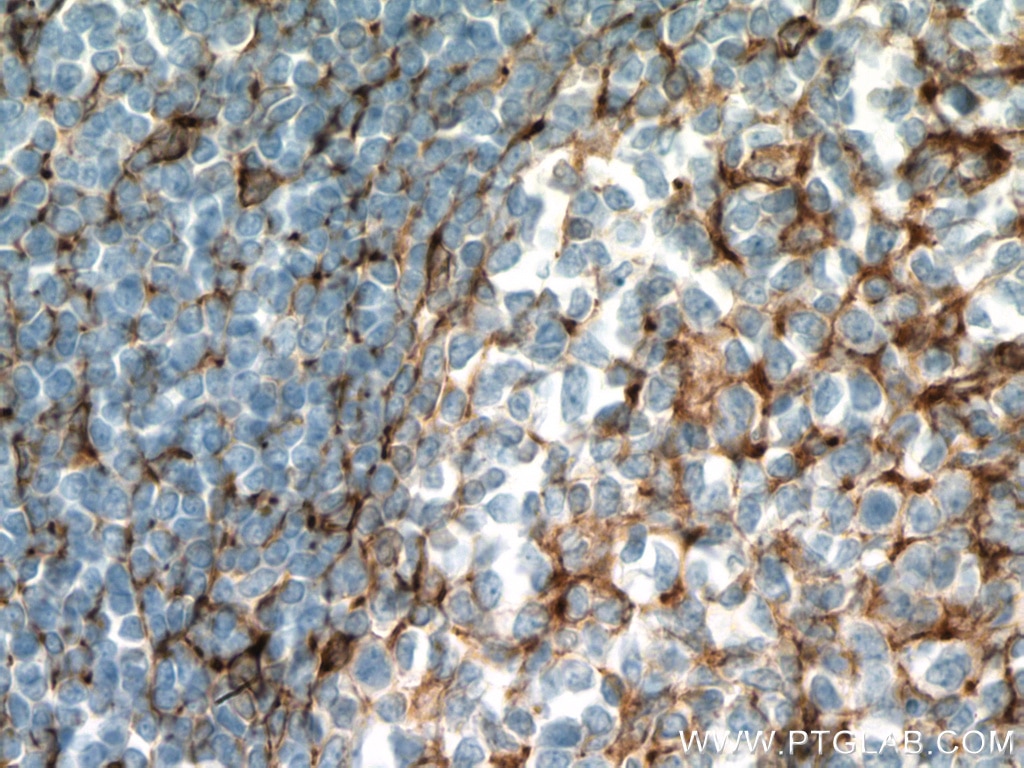
Tested Applications
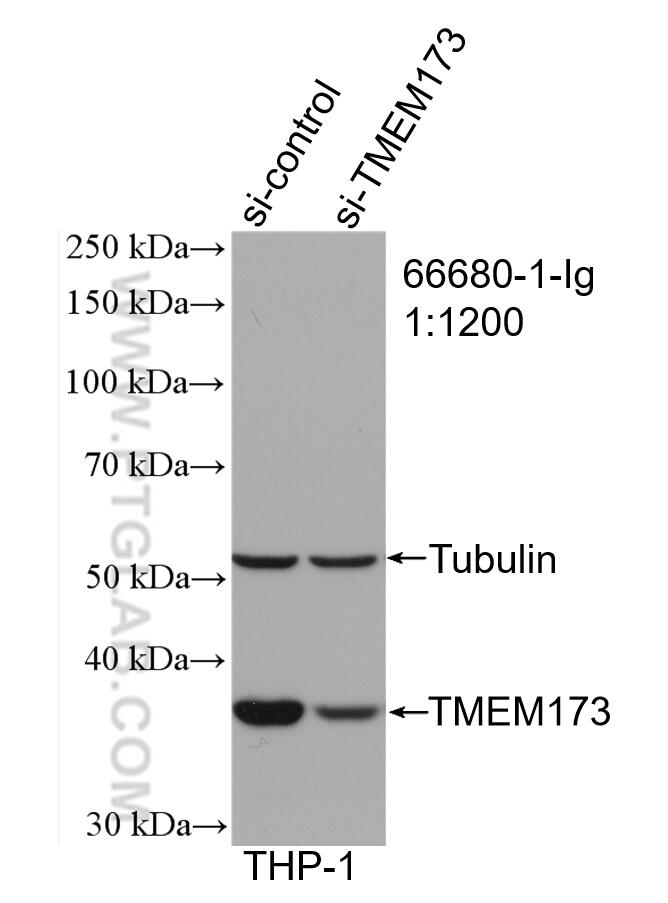
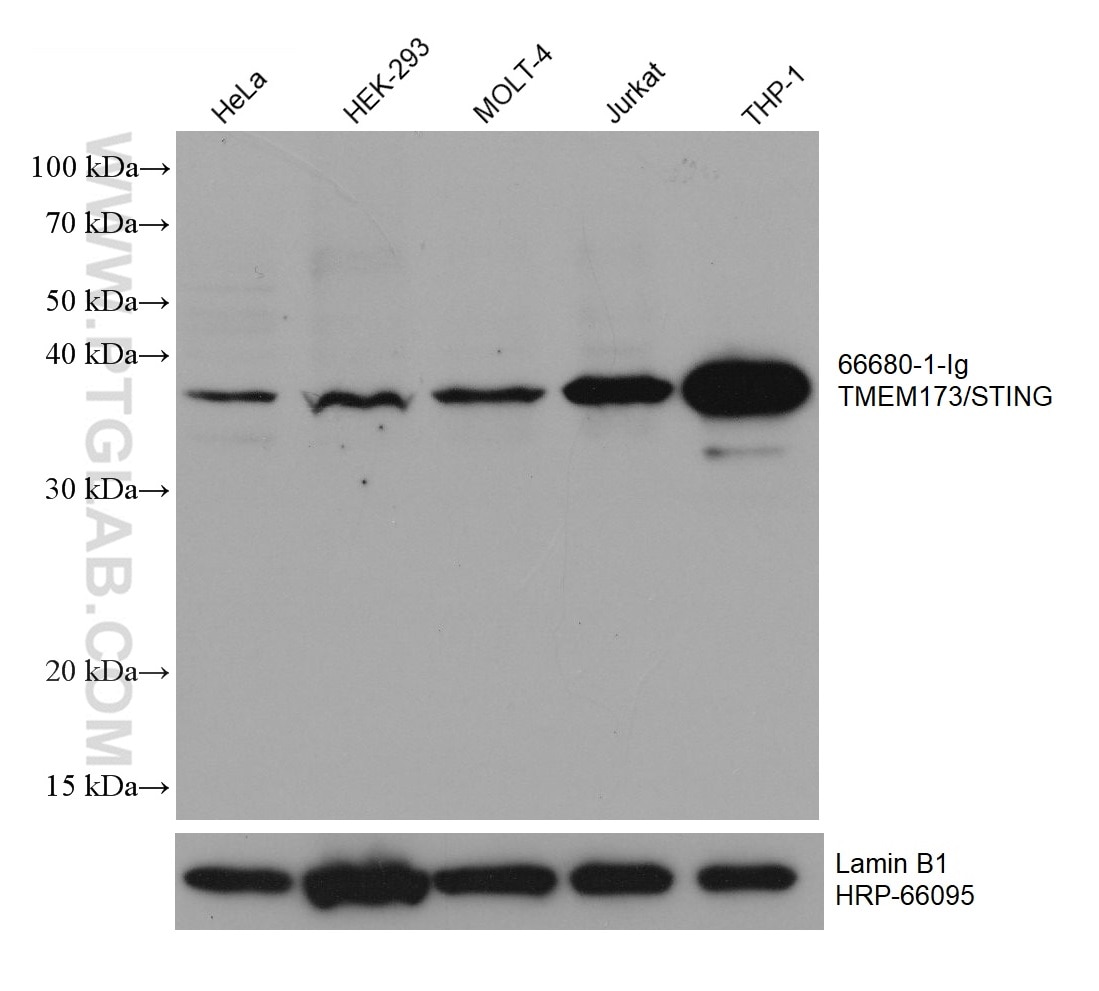
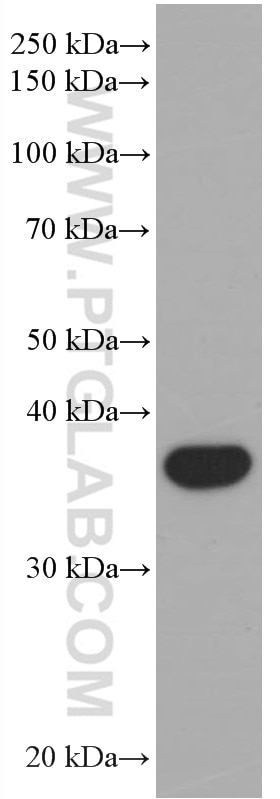
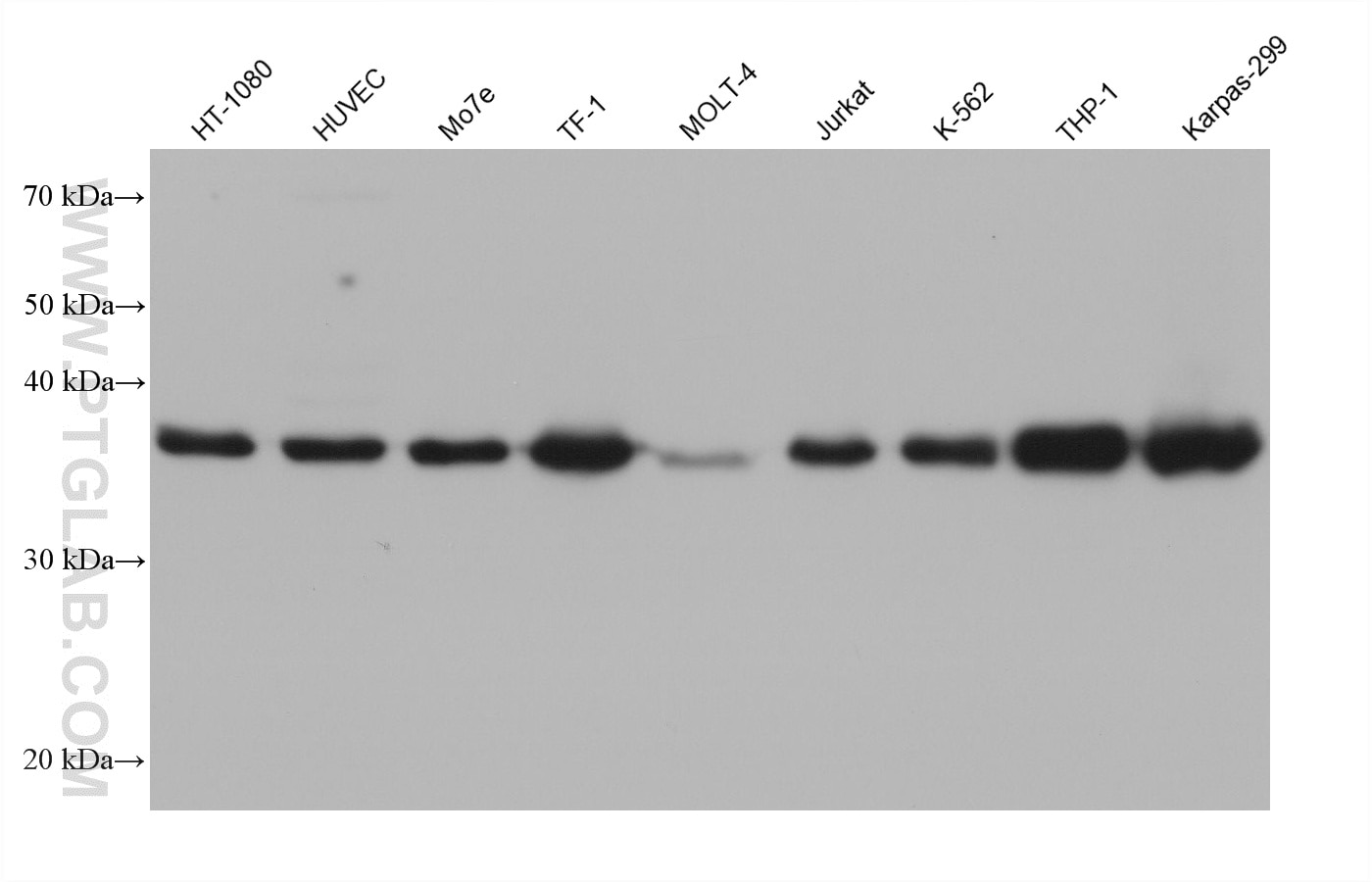
| Positive WB detected in | HT-1080 cells, HEK-293 cells, HeLa cells, HepG2 cells, HSC-T6 cells, THP-1 cells, MOLT-4 cells, Jurkat cells, HUVEC cells, Mo7e cells, TF-1 cells, K-562 cells, Karpas-299 cells |
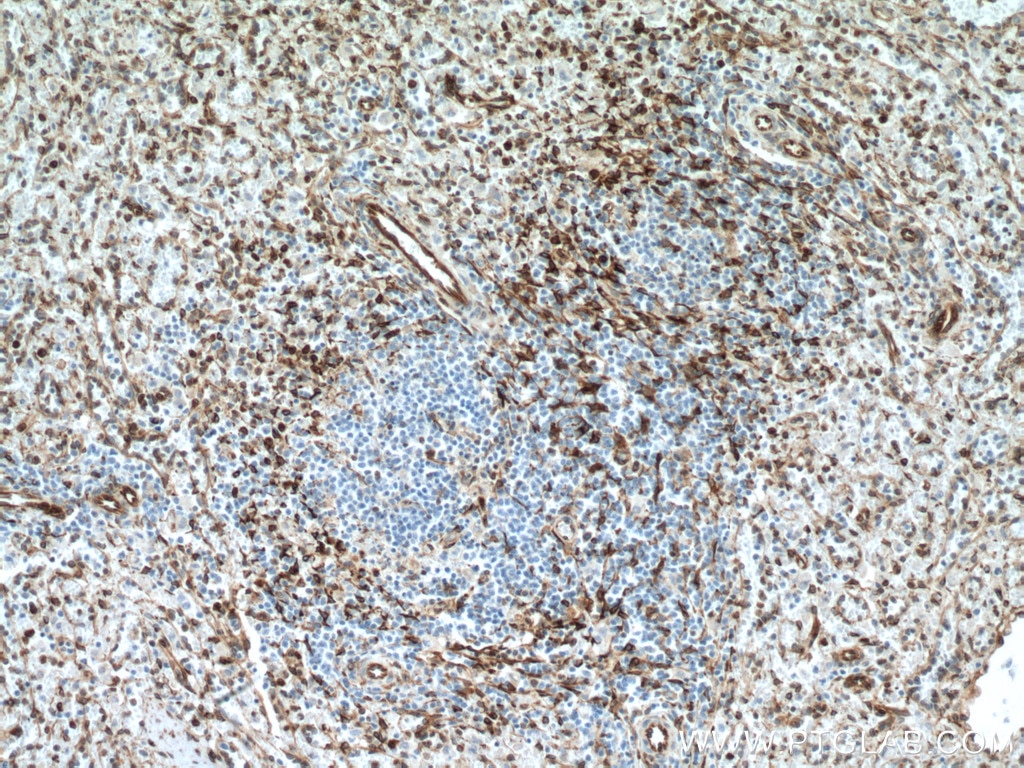
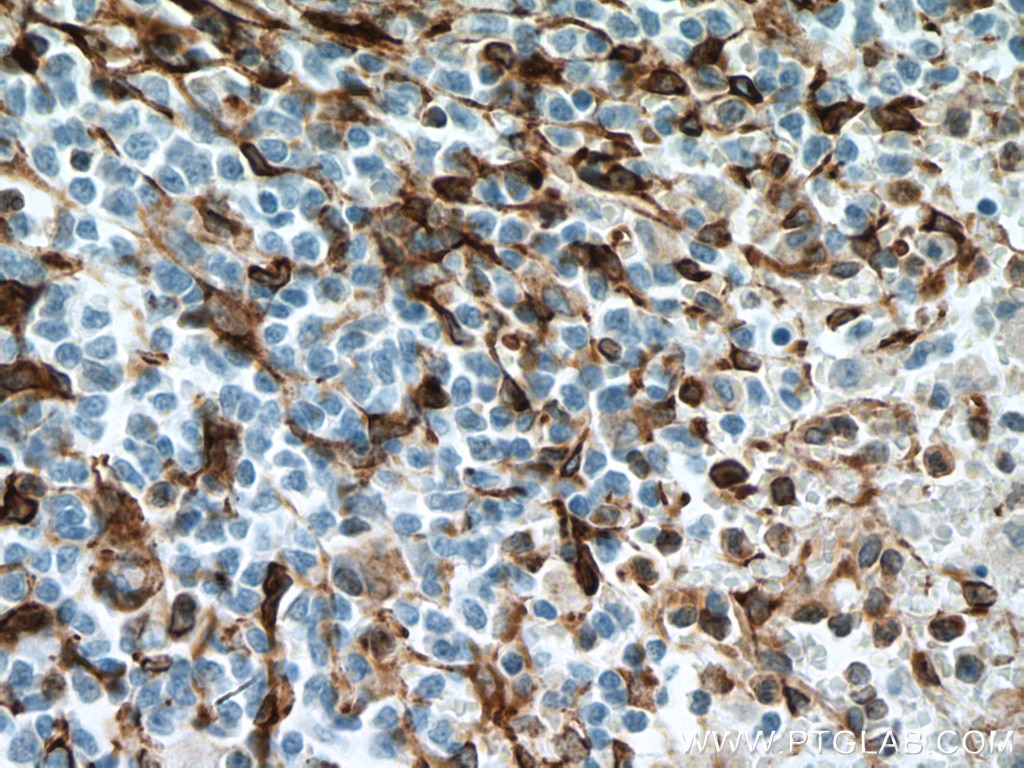
| Positive IHC detected in | human tonsillitis tissue, human spleen tissue Note: suggested antigen retrieval with TE buffer pH 9.0; (*) Alternatively, antigen retrieval may be performed with citrate buffer pH 6.0 |
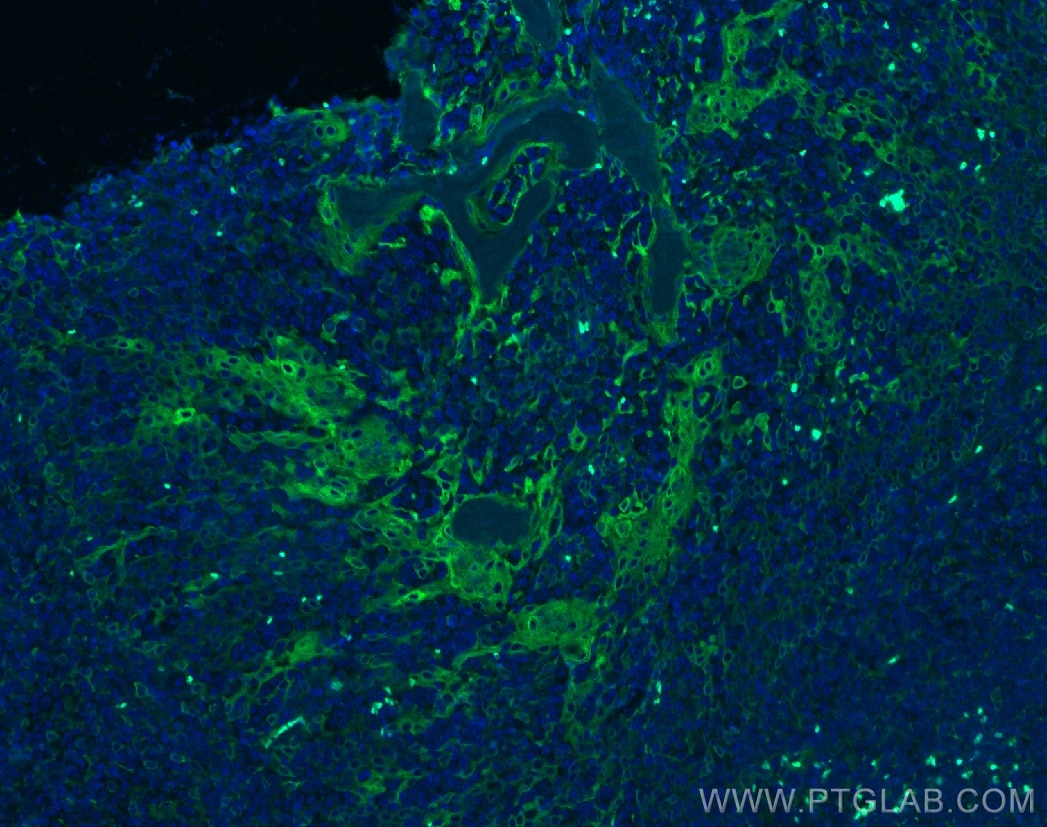
| Positive IF-P detected in | human tonsillitis tissue |
Recommended dilution
| Application | Dilution |
|---|---|
| Western Blot (WB) | WB : 1:5000-1:50000 |
| Immunohistochemistry (IHC) | IHC : 1:500-1:2000 |
| Immunofluorescence (IF)-P | IF-P : 1:200-1:800 |
| It is recommended that this reagent should be titrated in each testing system to obtain optimal results. | |
| Sample-dependent, Check data in validation data gallery. | |
Published Applications
| KD/KO | See 9 publications below |
| WB | See 45 publications below |
| IHC | See 8 publications below |
| IF | See 29 publications below |
| IP | See 2 publications below |
| CoIP | See 1 publications below |
Product Information
66680-1-Ig targets TMEM173/STING in WB, IHC, IF-P, IP, CoIP, ELISA applications and shows reactivity with human, rat samples.
| Tested Reactivity | human, rat |
| Cited Reactivity | human, rat |
| Host / Isotype | Mouse / IgG2b |
| Class | Monoclonal |
| Type | Antibody |
| Immunogen |
CatNo: Ag20363 Product name: Recombinant human TMEM173 protein Source: e coli.-derived, PET28a Tag: 6*His Domain: 174-379 aa of BC047779 Sequence: ELQARIRTYNQHYNNLLRGAVSQRLYILLPLDCGVPDNLSMADPNIRFLDKLPQQTGDHAGIKDRVYSNSIYELLENGQRAGTCVLEYATPLQTLFAMSQYSQAGFSREDRLEQAKLFCRTLEDILADAPESQNNCRLIAYQEPADDSSFSLSQEVLRHLRQEEKEEVTVGSLKTSAVPSTSTMSQEPELLISGMEKPLPLRTDFS 相同性解析による交差性が予測される生物種 |
| Full Name | transmembrane protein 173 |
| Calculated molecular weight | 379 aa, 42 kDa |
| Observed molecular weight | 37 kDa |
| GenBank accession number | BC047779 |
| Gene Symbol | STING |
| Gene ID (NCBI) | 340061 |
| RRID | AB_2882034 |
| Conjugate | Unconjugated |
| Form | |
| Form | Liquid |
| Purification Method | Protein A purification |
| UNIPROT ID | Q86WV6 |
| Storage Buffer | PBS with 0.02% sodium azide and 50% glycerol{{ptg:BufferTemp}}7.3 |
| Storage Conditions | Store at -20°C. Stable for one year after shipment. Aliquoting is unnecessary for -20oC storage. |
Background Information
Stimulator of interferon genes (STING, also known as ERIS, MITA and MPYS, and encoded by TMEM173) is a transmembrane adaptor protein that facilitates innate immune signaling (PMID: 18724357). STING is widely expressed in various cell types such as endothelial cells, epithelial cells, T cells, macrophages, and dendritic cells (PMID: 26603901). It is predominantly located in the endoplasmic reticulum (ER). STING functions as a sensor of cytosolic DNA and promotes the production of type I interferons and pro-inflammatory cytokines. STING is a 379 amino acid protein with a calculated molecular weight of 42 kDa. It has been observed at 35-40 kDa (PMID: 27324217; 29632140; 30918080), and 70-80 kDa corresponding to the expected size of a STING dimer (PMID: 25790474; 29491158).
Protocols
| Product Specific Protocols | |
|---|---|
| IF protocol for TMEM173/STING antibody 66680-1-Ig | Download protocol |
| IHC protocol for TMEM173/STING antibody 66680-1-Ig | Download protocol |
| WB protocol for TMEM173/STING antibody 66680-1-Ig | Download protocol |
| Standard Protocols | |
|---|---|
| Click here to view our Standard Protocols |
Publications
| Species | Application | Title |
|---|---|---|
Signal Transduct Target Ther Soluble CD4 effectively prevents excessive TLR activation of resident macrophages in the onset of sepsis | ||
J Hematol Oncol Glutathione reductase deficiency potentiates the immunogenicity of ferroptosis and cuproptosis via amplified reactive oxygen species accumulation and cGAS-STING pathway activation | ||
Immunity Golgi apparatus-synthesized sulfated glycosaminoglycans mediate polymerization and activation of the cGAMP sensor STING. | ||
Autophagy Cytosolic DNA-induced CGAS-STING1-dependent autophagy promotes SFTSV and EV-71 replication. | ||
Autophagy Lipotoxicity-induced STING1 activation stimulates MTORC1 and restricts hepatic lipophagy.
| ||
Nat Commun Negative feedback regulation of STING signaling by TAX1BP1-directed Golgiphagy. |