
Validation Data Gallery
Tested Applications
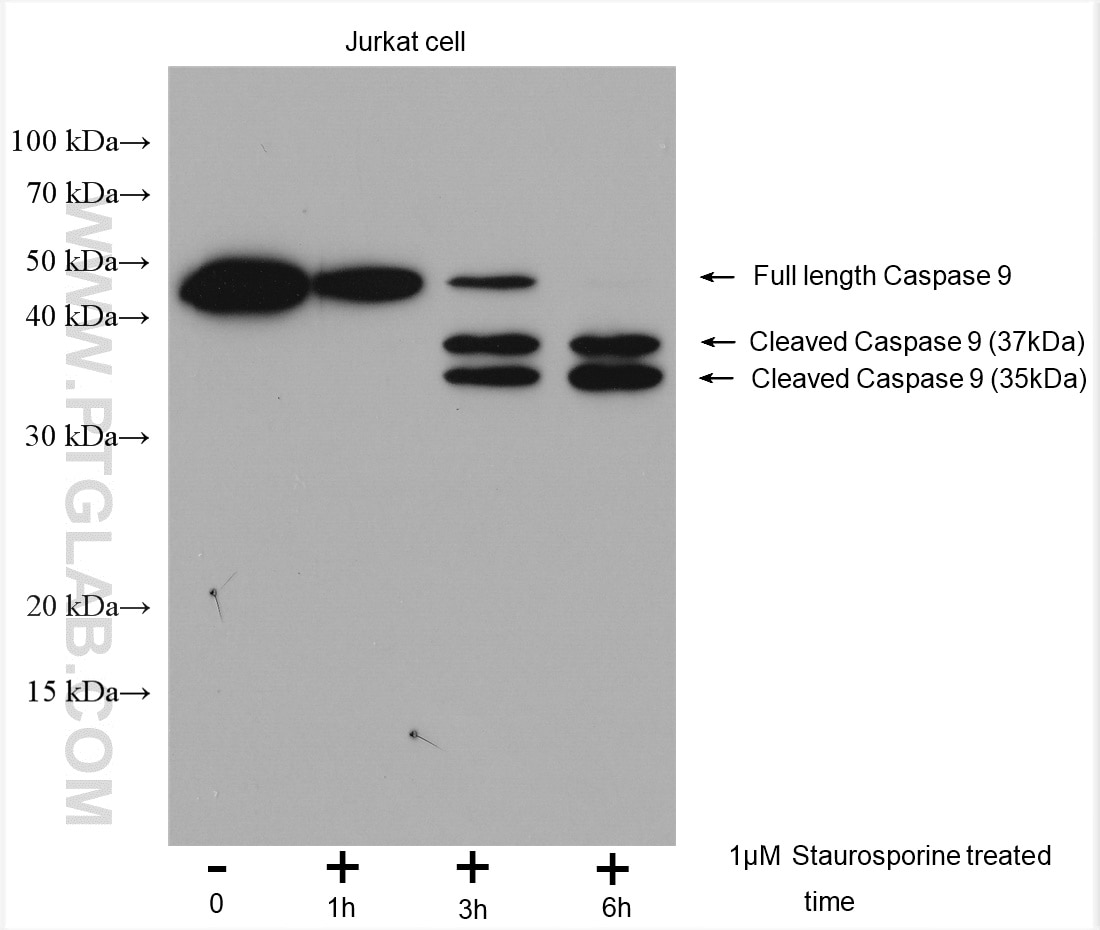
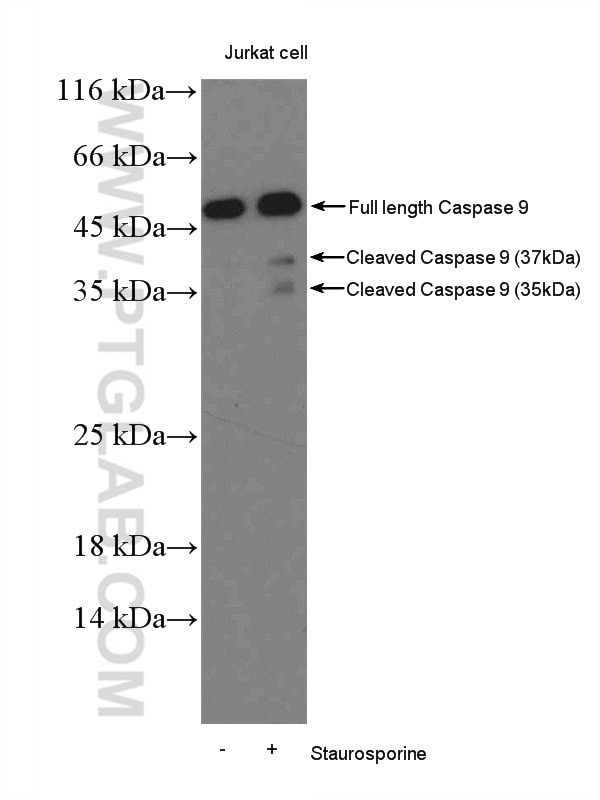
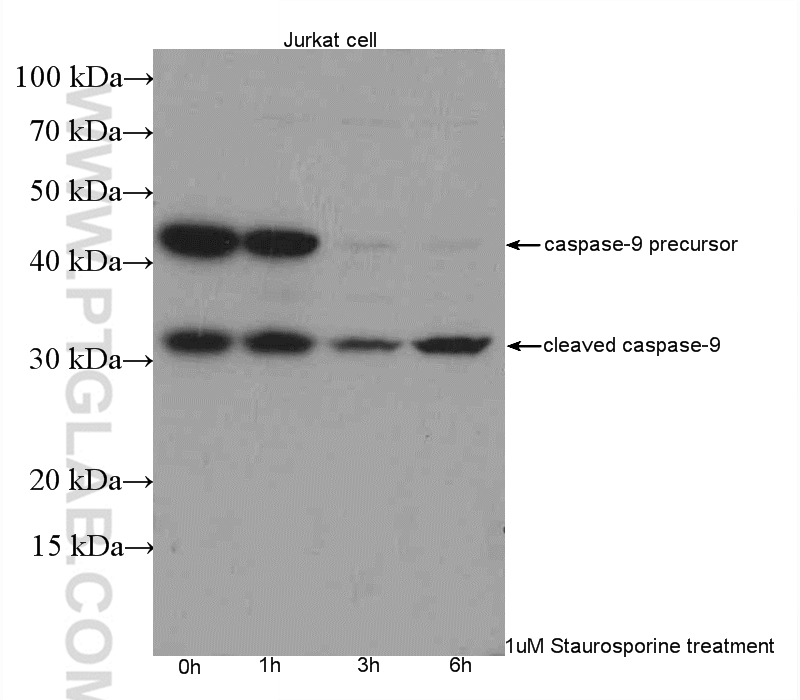
| Positive WB detected in | Jurkat cells, Staurosporine treated Jurkat cells |
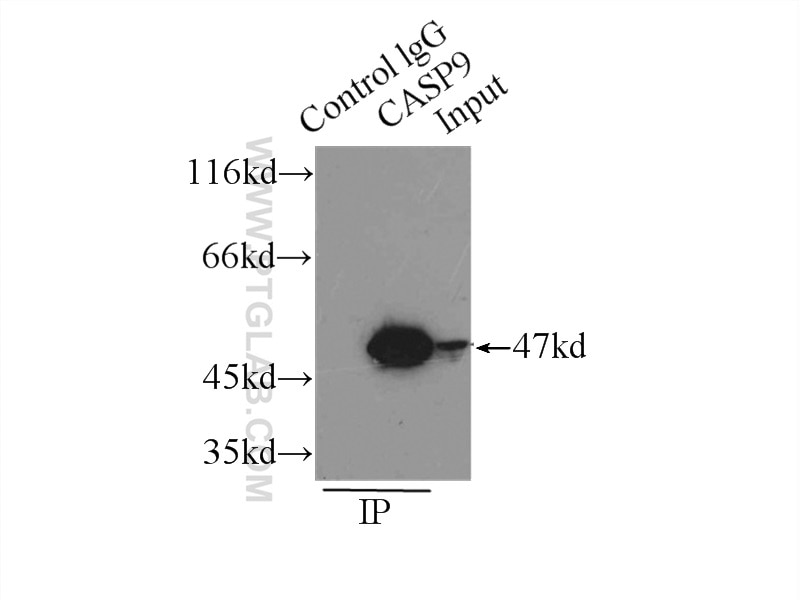
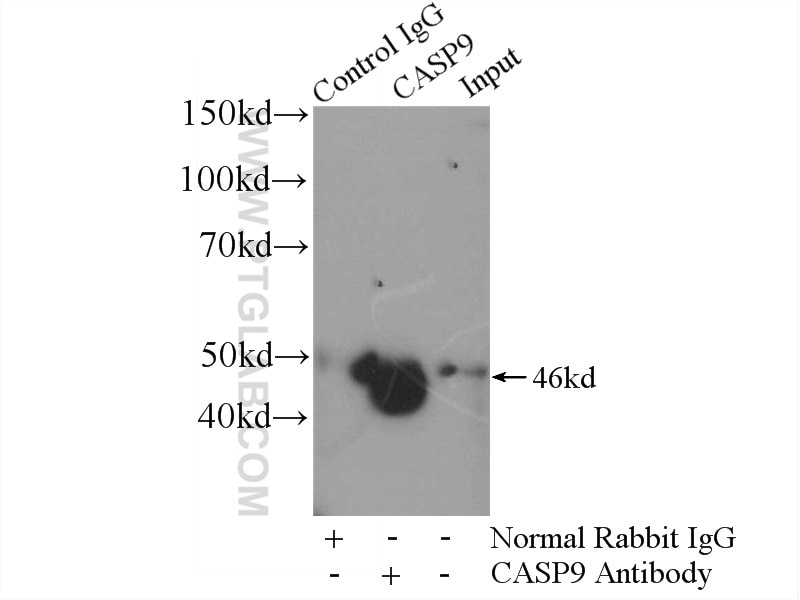
| Positive IP detected in | HeLa cells |
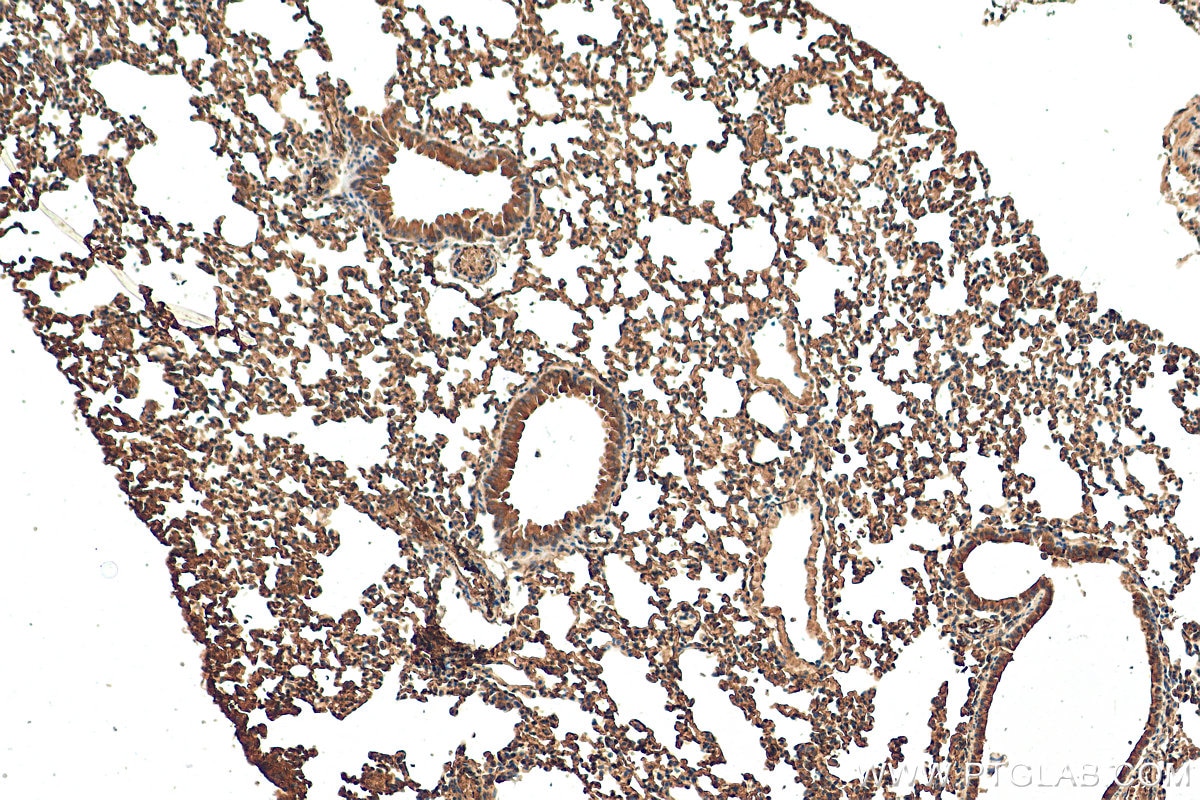
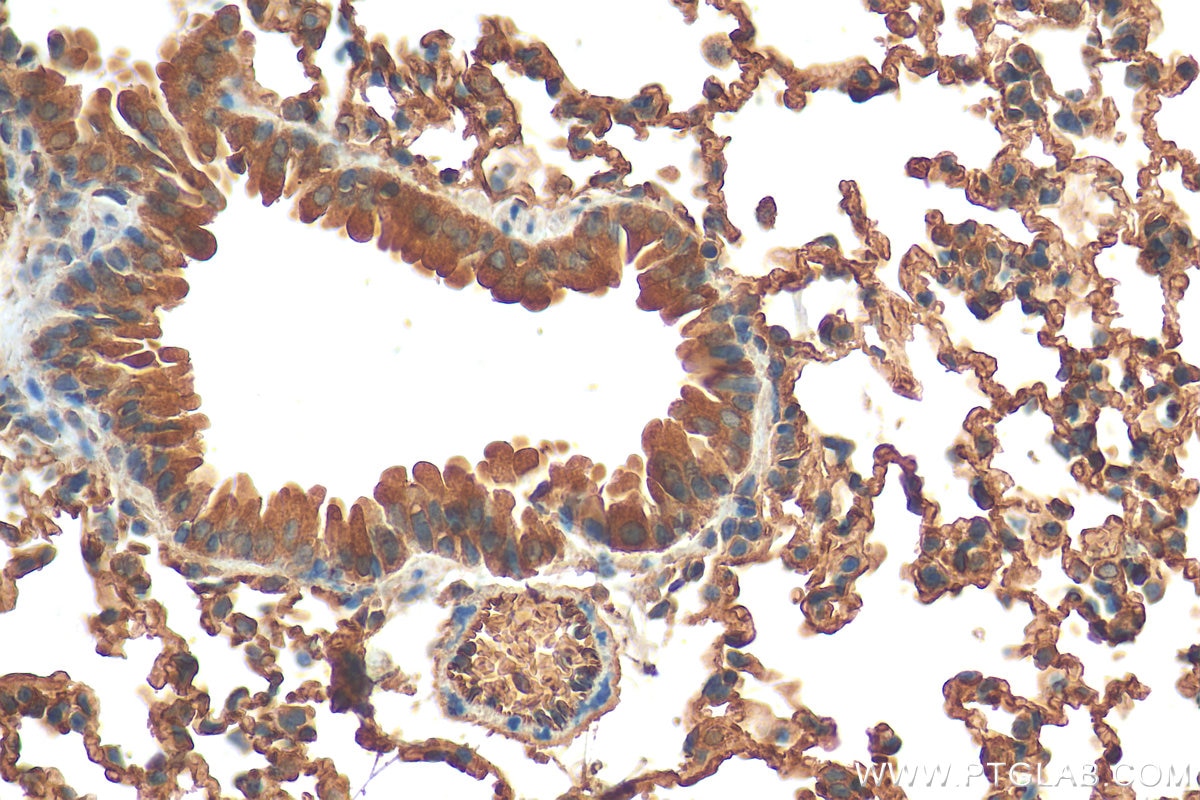
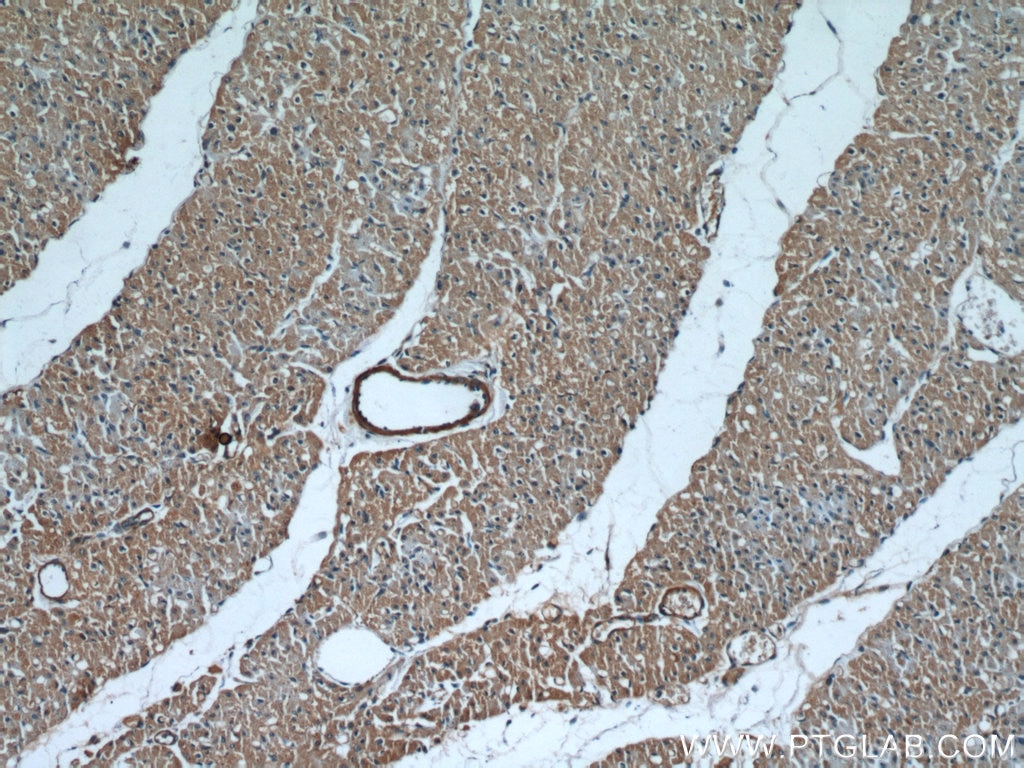
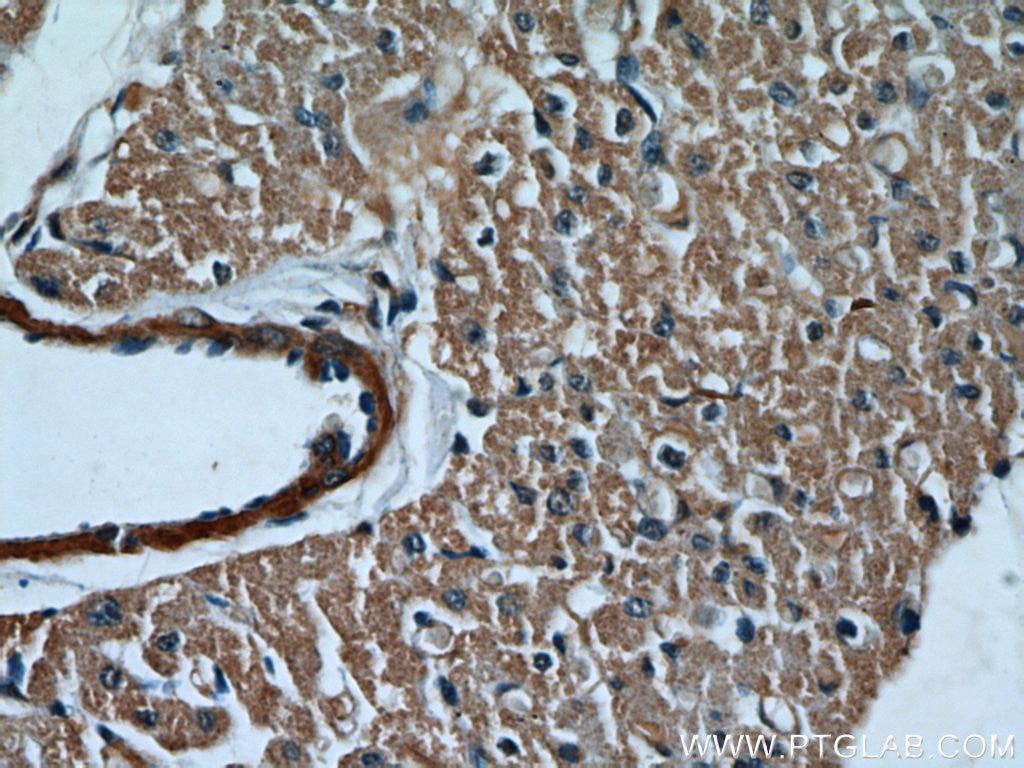
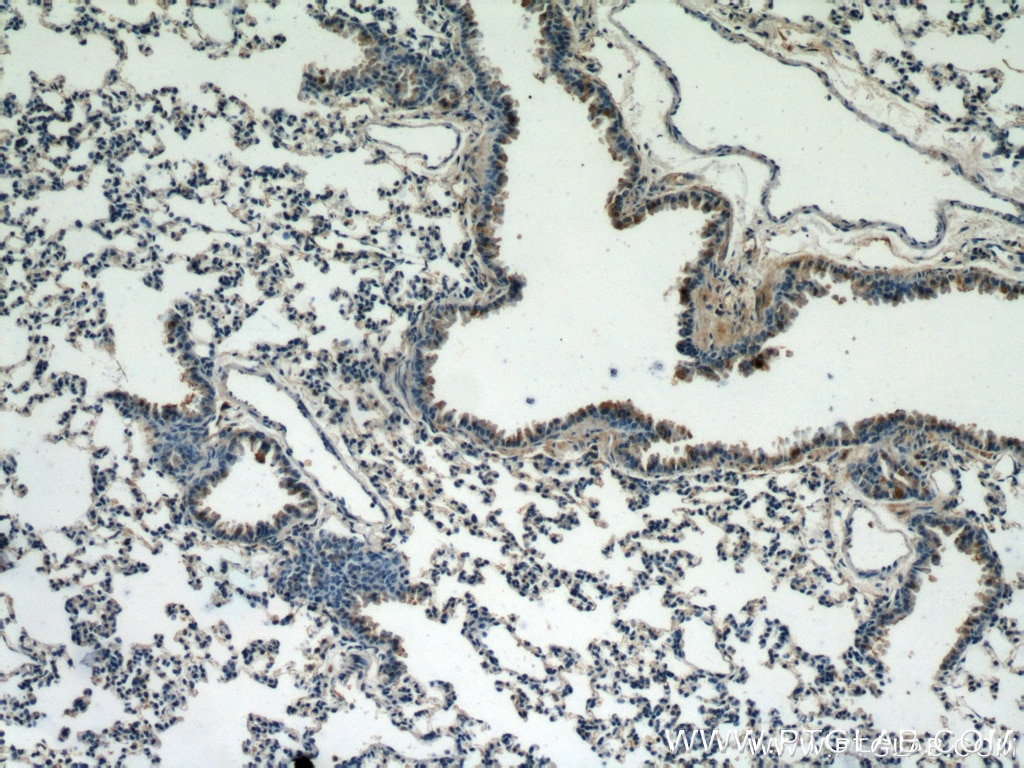
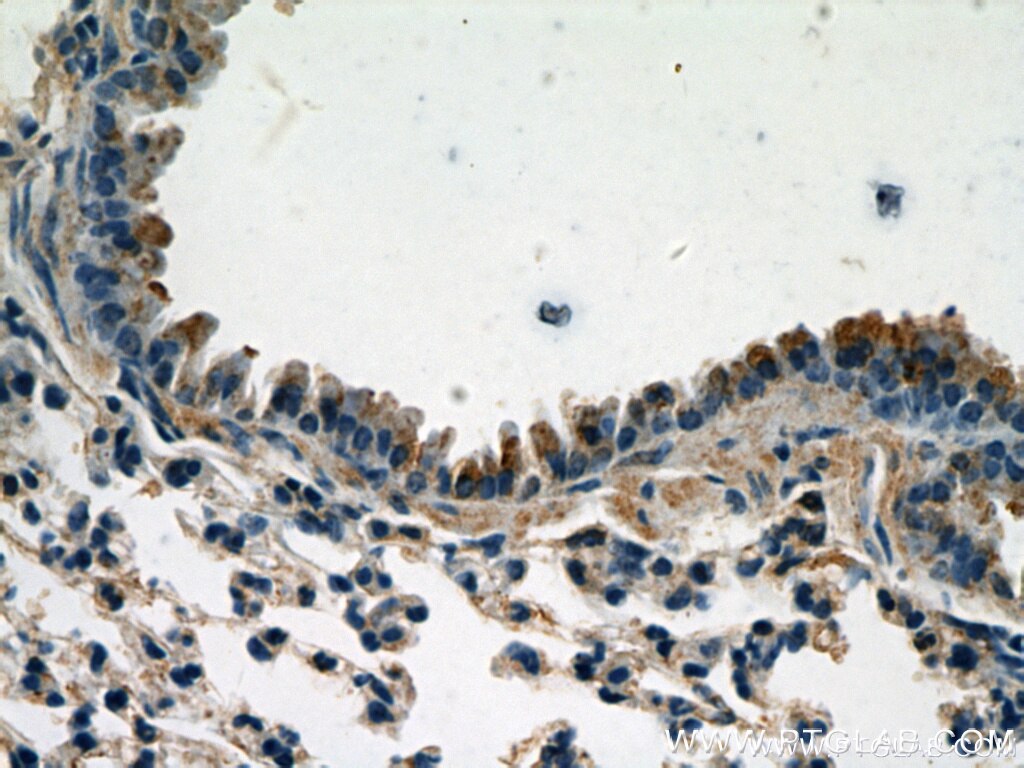
| Positive IHC detected in | mouse lung tissue, human heart tissue Note: suggested antigen retrieval with TE buffer pH 9.0; (*) Alternatively, antigen retrieval may be performed with citrate buffer pH 6.0 |
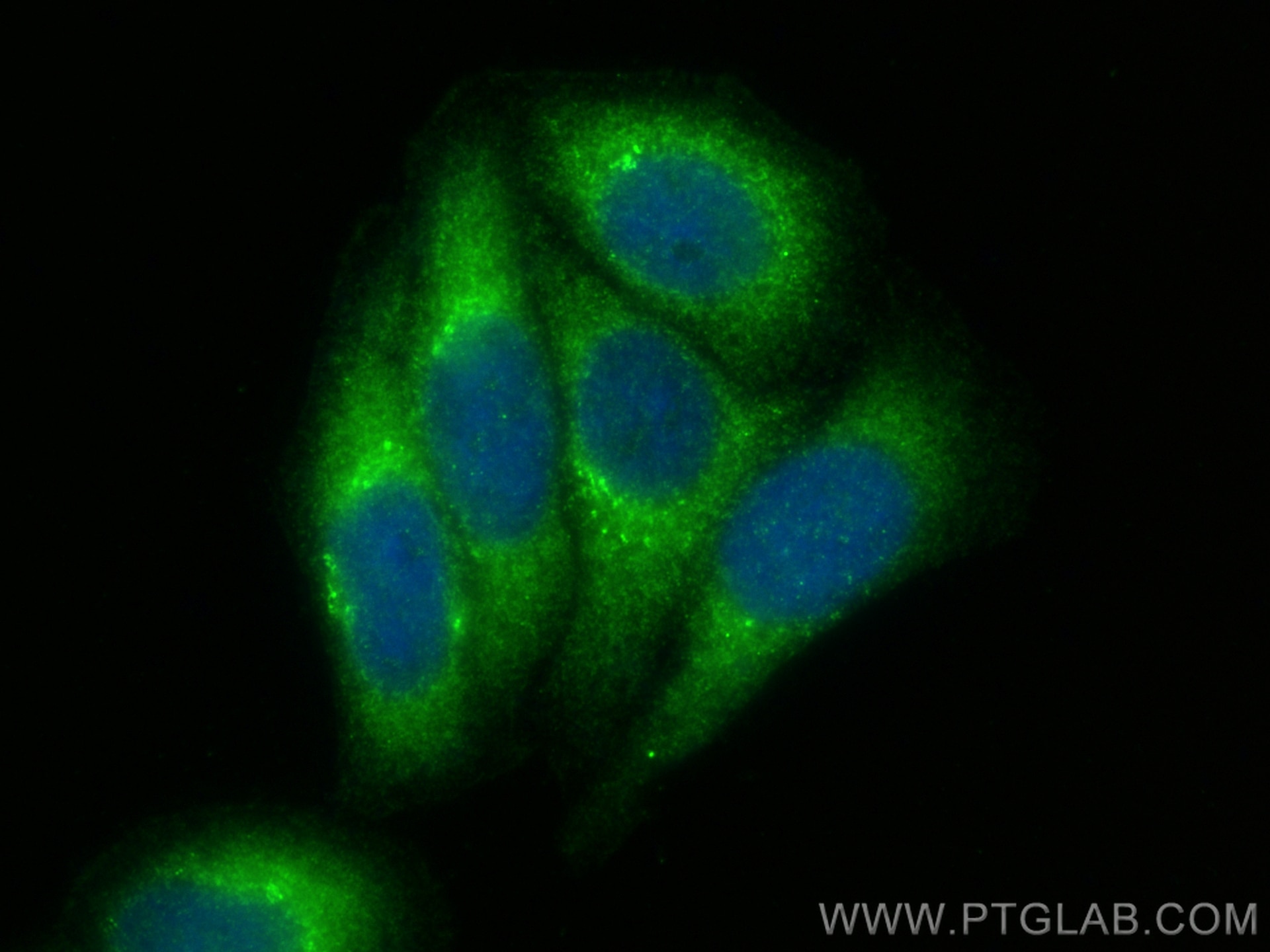
| Positive IF/ICC detected in | HepG2 cells |
Recommended dilution
| Application | Dilution |
|---|---|
| Western Blot (WB) | WB : 1:300-1:1000 |
| Immunoprecipitation (IP) | IP : 0.5-4.0 ug for 1.0-3.0 mg of total protein lysate |
| Immunohistochemistry (IHC) | IHC : 1:50-1:500 |
| Immunofluorescence (IF)/ICC | IF/ICC : 1:200-1:800 |
| It is recommended that this reagent should be titrated in each testing system to obtain optimal results. | |
| Sample-dependent, Check data in validation data gallery. | |
Product Information
10380-1-AP targets Caspase 9/P35 in WB, IHC, IF/ICC, IP, CoIP, RIP, ELISA applications and shows reactivity with human, mouse samples.
| Tested Reactivity | human, mouse |
| Cited Reactivity | human, mouse, canine, monkey, chicken, bovine, hamster, goat, duck |
| Host / Isotype | Rabbit / IgG |
| Class | Polyclonal |
| Type | Antibody |
| Immunogen |
CatNo: Ag0404 Product name: Recombinant human Caspase 9 protein Source: e coli.-derived, PGEX-4T Tag: GST Domain: 138-389 aa of BC002452 Sequence: DVGALESLRGNADLAYILSMEPCGHCLIINNVNFCRESGLRTRTGSNIDCEKLRRRFSSLHFMVEVKGDLTAKKMVLALLELAQQDHGALDCCVVVILSHGCQASHLQFPGAVYGTDGCPVSVEKIVNIFNGTSCPSLGGKPKLFFIQACGGEQKDHGFEVASTSPEDESPGSNPEPDATPFQEGLRTFDQLDAISSLPTPSDIFVSYSTFPGFVSWRDPKSGSWYVETLDDIFEQWAHSEDLQSLLLRVAN 相同性解析による交差性が予測される生物種 |
| Full Name | caspase 9, apoptosis-related cysteine peptidase |
| Calculated molecular weight | 46 kDa |
| Observed molecular weight | 46 kDa, 30-39 kDa |
| GenBank accession number | BC002452 |
| Gene Symbol | Caspase 9 |
| Gene ID (NCBI) | 842 |
| RRID | AB_2068632 |
| Conjugate | Unconjugated |
| Form | |
| Form | Liquid |
| Purification Method | Antigen affinity purification |
| UNIPROT ID | P55211 |
| Storage Buffer | PBS with 0.02% sodium azide and 50% glycerol{{ptg:BufferTemp}}7.3 |
| Storage Conditions | Store at -20°C. Stable for one year after shipment. Aliquoting is unnecessary for -20oC storage. |
Background Information
Caspase 9, apoptosis-related cysteine protease (CASP9, synonyms: MCH6, APAF3, APAF-3, ICE-LAP6, CASPASE-9c)is a member of the cysteine-aspartic acid protease (caspase) family. Sequential activation of caspases plays a central role in the execution-phase of cell apoptosis. Caspases exist as inactive proenzymes which undergo proteolytic processing at conserved aspartic residues to produce 2 subunits, large and small, that dimerize to form the active enzyme. Caspase 9 is processed by APAF1; this step is thought to be one of the earliest in the caspase activation cascade. 10380-1-AP can recognize the pre- and cleaved- caspase 9. In recent years, the localization of caspase 9 was a focus of interest. Beside its cytoplasmic distribution, a very extensive localization study was done on rat brain tissue, where caspase 9 was found located predominantly in the nucleus and to a lesser extend in the cytoplasm [PMID: 15541731].
Protocols
| Product Specific Protocols | |
|---|---|
| IF protocol for Caspase 9/P35 antibody 10380-1-AP | Download protocol |
| IHC protocol for Caspase 9/P35 antibody 10380-1-AP | Download protocol |
| IP protocol for Caspase 9/P35 antibody 10380-1-AP | Download protocol |
| WB protocol for Caspase 9/P35 antibody 10380-1-AP | Download protocol |
| Standard Protocols | |
|---|---|
| Click here to view our Standard Protocols |
Publications
| Species | Application | Title |
|---|---|---|
Signal Transduct Target Ther Increased mtDNA copy number promotes cancer progression by enhancing mitochondrial oxidative phosphorylation in microsatellite-stable colorectal cancer. | ||
Mol Cancer hsa_circ_0007919 induces LIG1 transcription by binding to FOXA1/TET1 to enhance the DNA damage response and promote gemcitabine resistance in pancreatic ductal adenocarcinoma | ||
Cancer Discov Cytosolic Phospholipase A2 Determines Intercellular Heterogeneity of Stress Granules and Chemotherapy Response. | ||
Adv Mater Selective Organ-Targeting Hafnium Oxide Nanoparticles with Multienzyme-Mimetic Activities Attenuate Radiation-Induced Tissue Damage | ||
Bioact Mater Silicate ions as soluble form of bioactive ceramics alleviate aortic aneurysm and dissection | ||
Autophagy E-cigarette aerosols induce the hydrolysis of lysosomal glycerophospholipids through PLA2G4A activation initiated by nicotine binding to CHRNA3/α3 nAchr in airway epithelial cells. |