
Validation Data Gallery
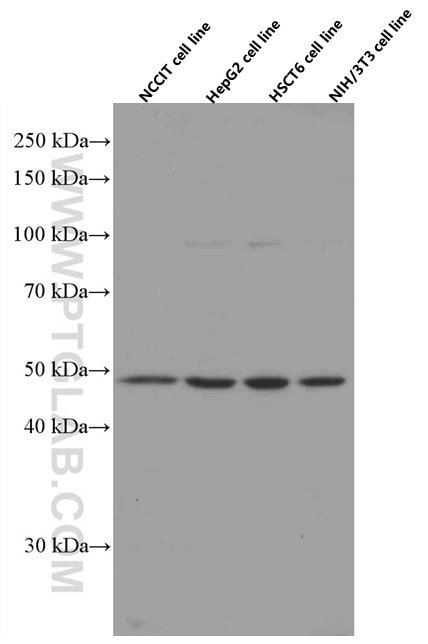
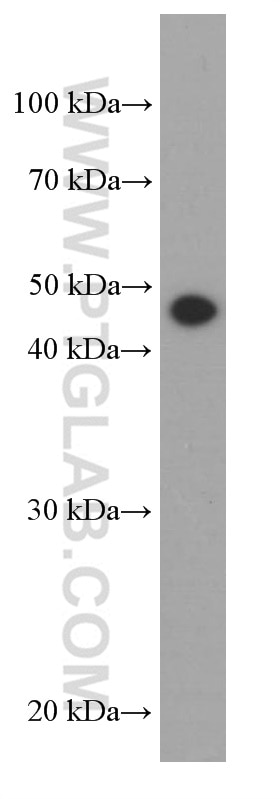
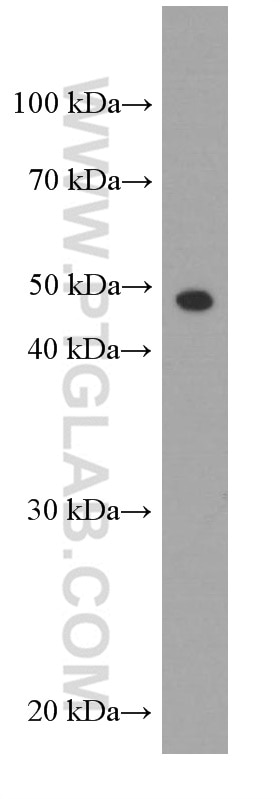
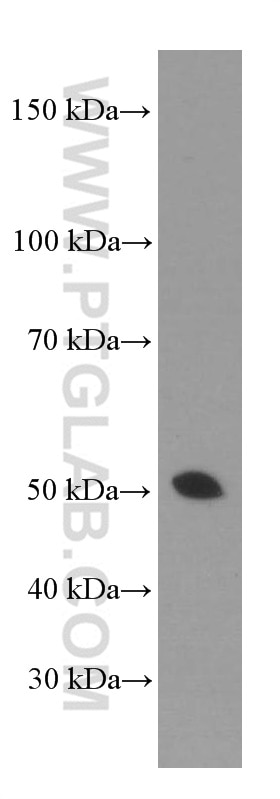
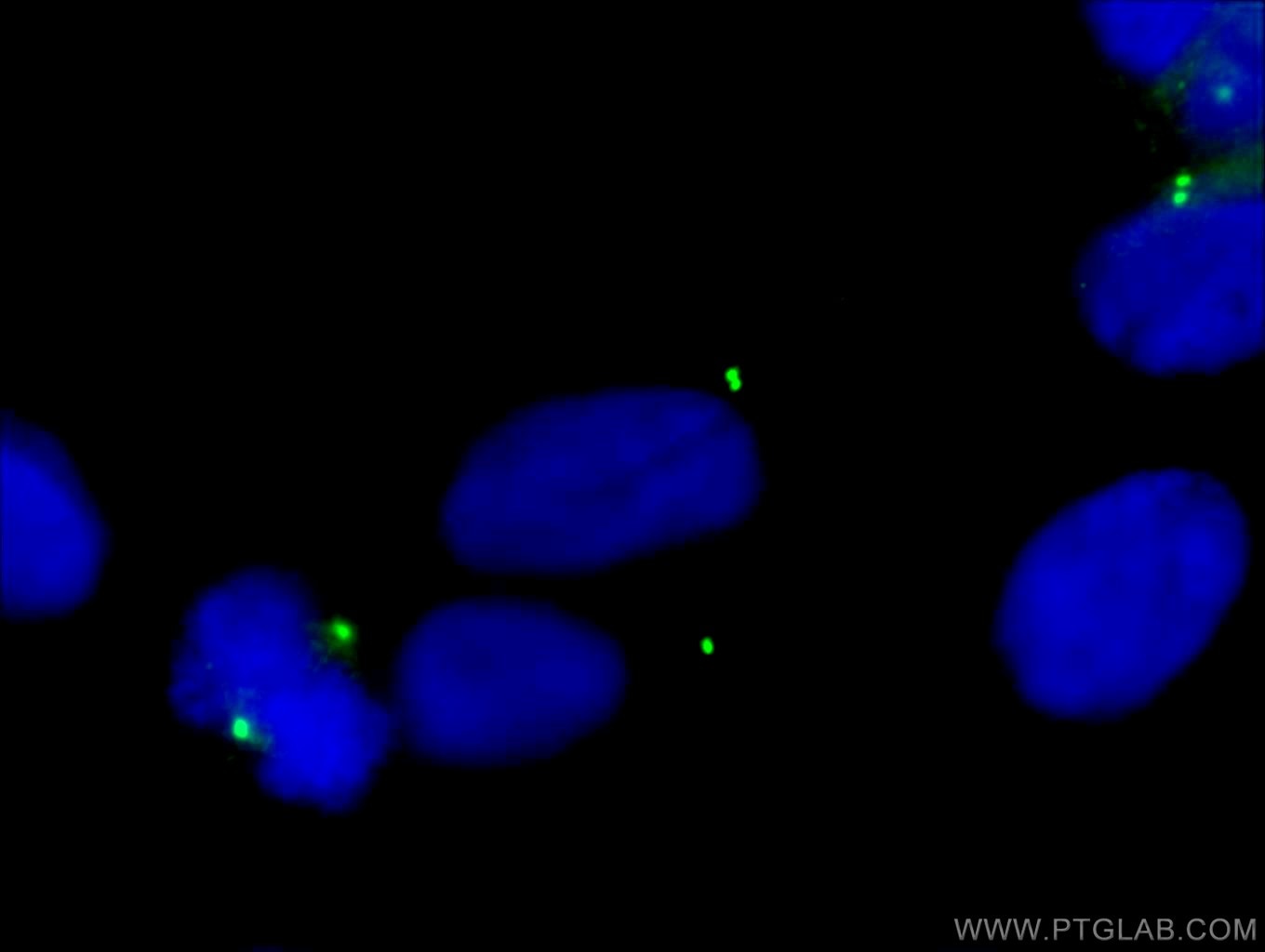
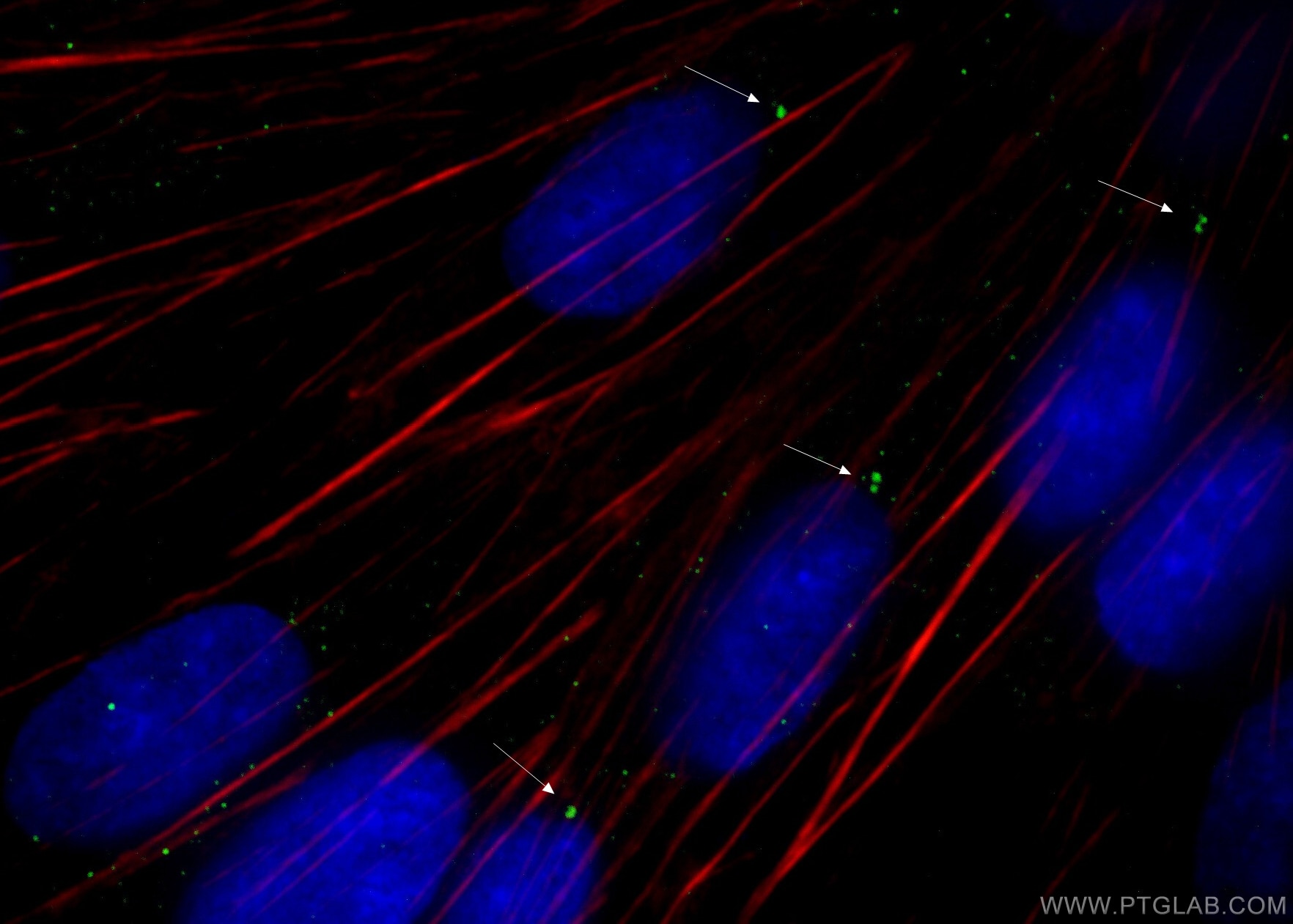
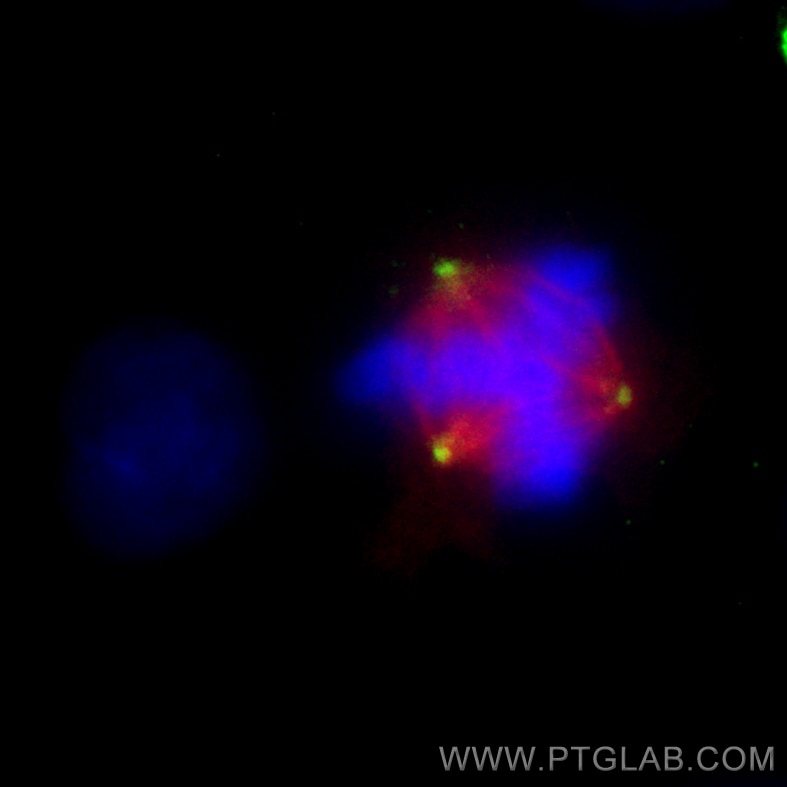
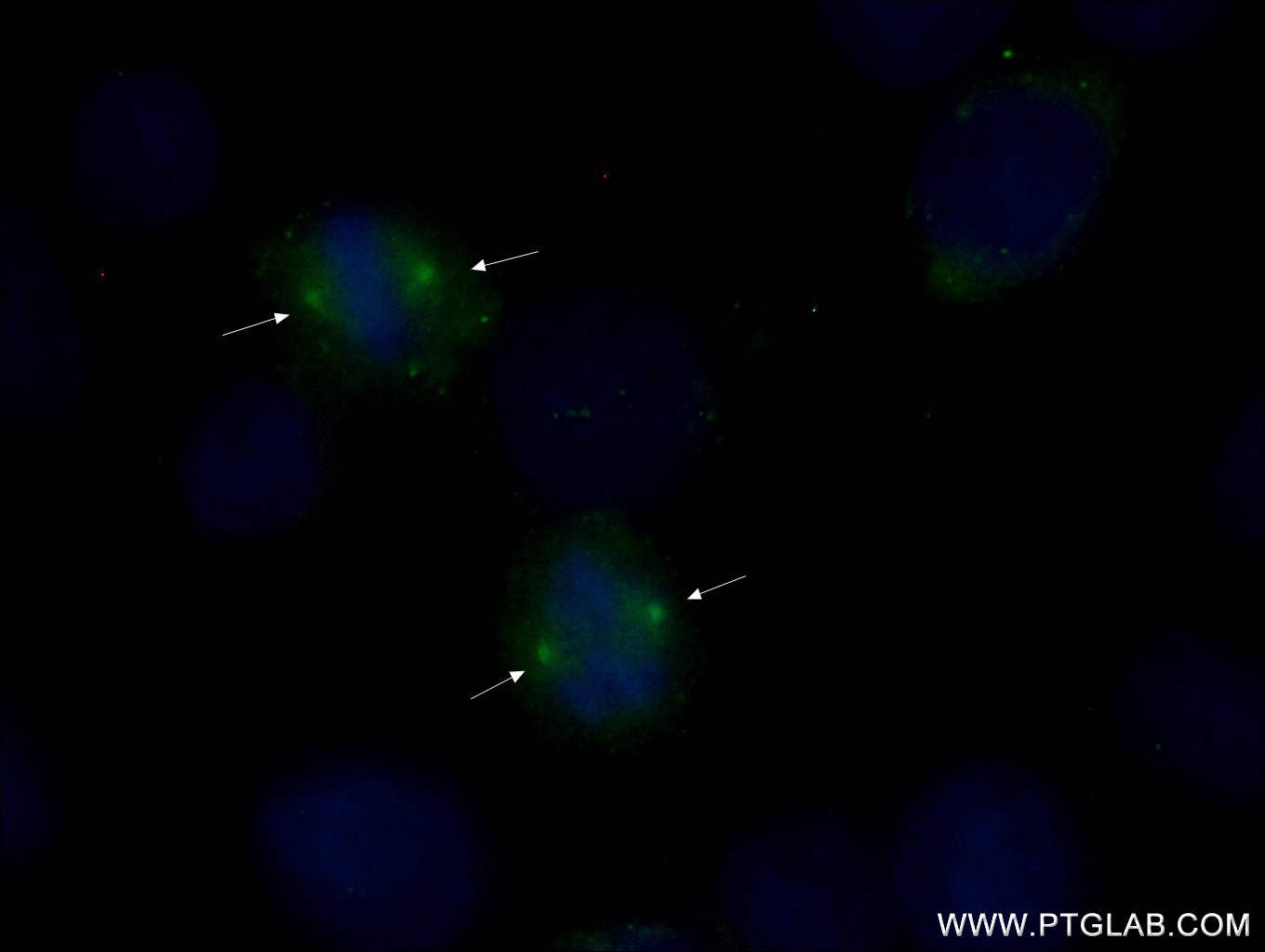
Tested Applications
| Positive WB detected in | NCCIT cells, HepG2 cells, EC109 cells, K-562 cells, HSCT6 cells, NIH3T3 cells |
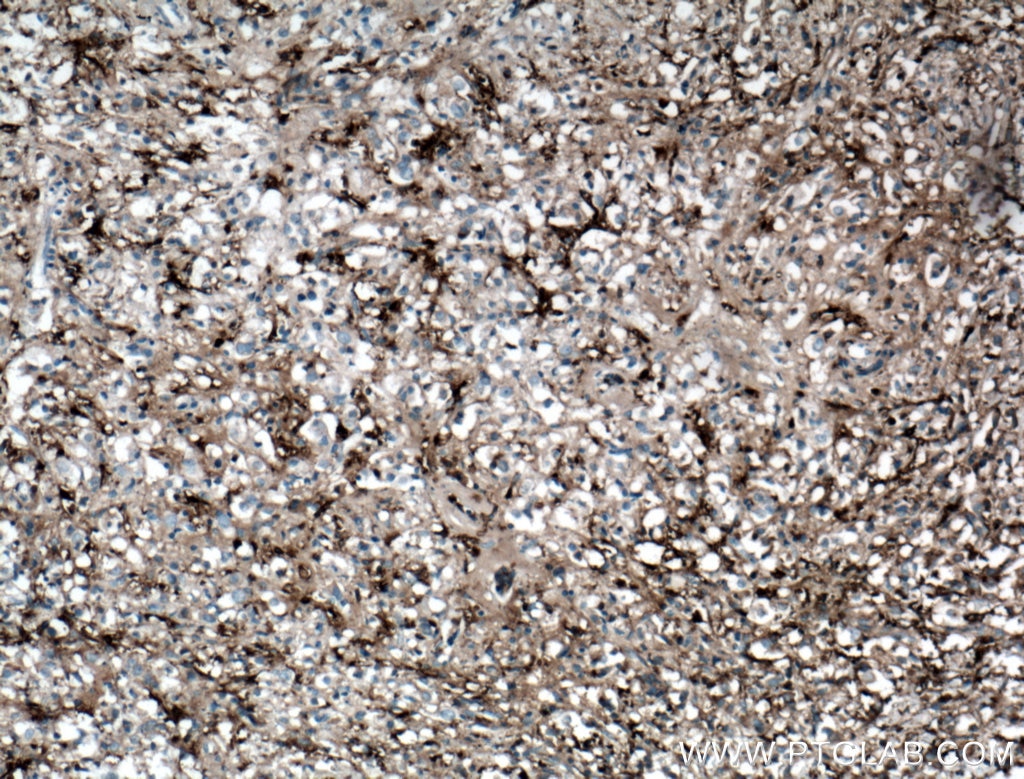
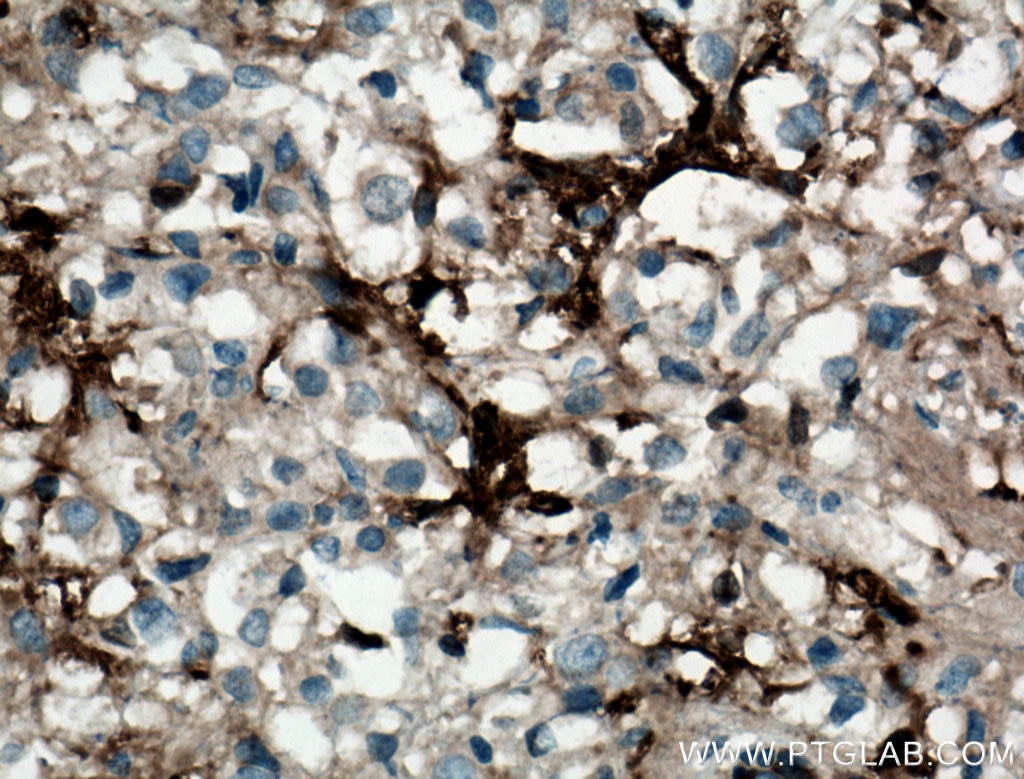
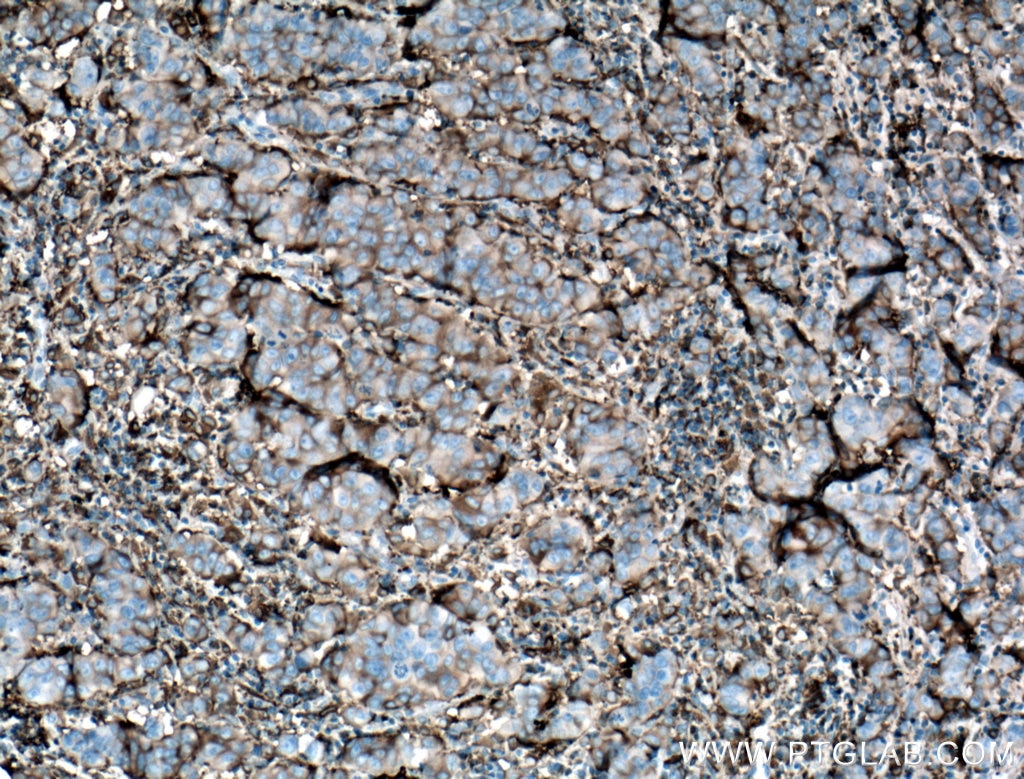
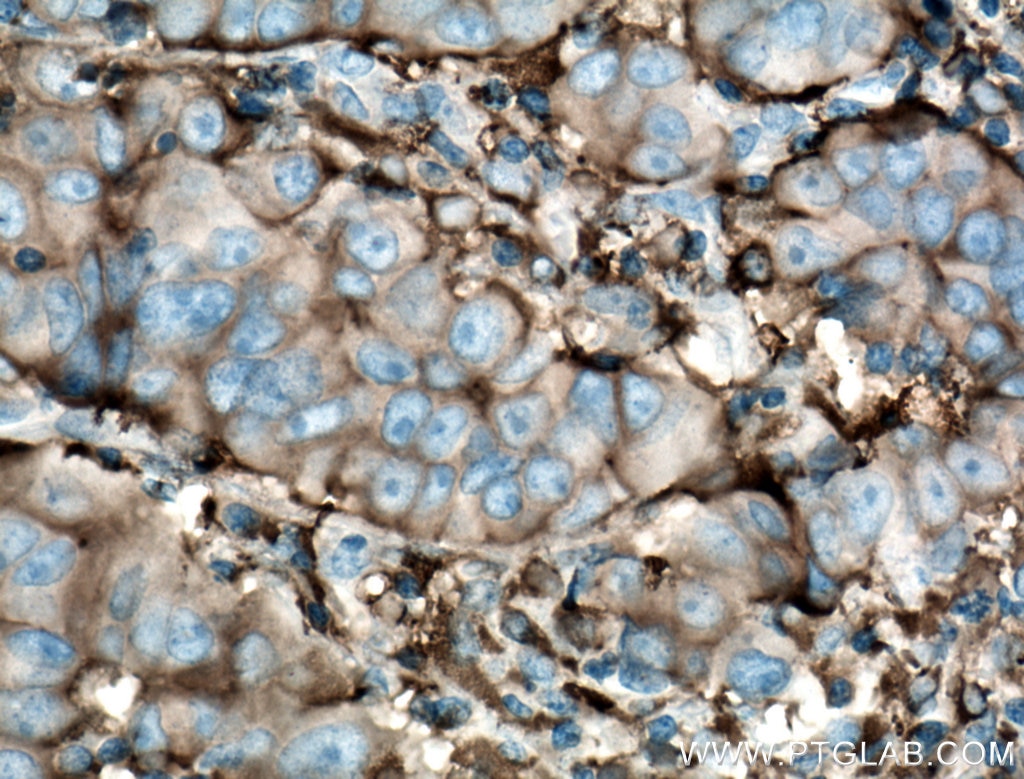
| Positive IHC detected in | human breast cancer tissue, human prostate cancer tissue Note: suggested antigen retrieval with TE buffer pH 9.0; (*) Alternatively, antigen retrieval may be performed with citrate buffer pH 6.0 |
| Positive IF/ICC detected in | MDCK cells, HeLa cells, A549 cells |
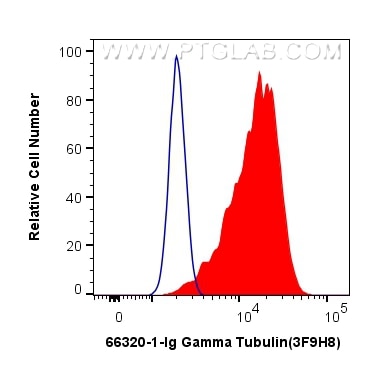
| Positive FC (Intra) detected in | HeLa cells |
Recommended dilution
| Application | Dilution |
|---|---|
| Western Blot (WB) | WB : 1:2000-1:12000 |
| Immunohistochemistry (IHC) | IHC : 1:200-1:1000 |
| Immunofluorescence (IF)/ICC | IF/ICC : 1:50-1:500 |
| Flow Cytometry (FC) (INTRA) | FC (INTRA) : 0.40 ug per 10^6 cells in a 100 µl suspension |
| It is recommended that this reagent should be titrated in each testing system to obtain optimal results. | |
| Sample-dependent, Check data in validation data gallery. | |
Published Applications
| WB | See 13 publications below |
| IF | See 31 publications below |
Product Information
66320-1-Ig targets Gamma Tubulin in WB, IHC, IF/ICC, FC (Intra), ELISA applications and shows reactivity with human, mouse, rat, canine samples.
| Tested Reactivity | human, mouse, rat, canine |
| Cited Reactivity | human, mouse, rat |
| Host / Isotype | Mouse / IgG2a |
| Class | Monoclonal |
| Type | Antibody |
| Immunogen |
CatNo: Ag23913 Product name: Recombinant human tubulin-gamma protein Source: e coli.-derived, PET28a Tag: 6*His Domain: 150-451 aa of BC000619 Sequence: GSYLLERLNDRYPKKLVQTYSVFPNQDEMSDVVVQPYNSLLTLKRLTQNADCVVVLDNTALNRIATDRLHIQNPSFSQINQLVSTIMSASTTTLRYPGYMNNDLIGLIASLIPTPRLHFLMTGYTPLTTDQSVASVRKTTVLDVMRRLLQPKNVMVSTGRDRQTNHCYIAILNIIQGEVDPTQVHKSLQRIRERKLANFIPWGPASIQVALSRKSPYLPSAHRVSGLMMANHTSISSLFERTCRQYDKLRKREAFLEQFRKEDMFKDNFDEMDTSREIVQQLIDEYHAATRPDYISWGTQEQ 相同性解析による交差性が予測される生物種 |
| Full Name | tubulin, gamma 1 |
| Calculated molecular weight | 51 kDa |
| Observed molecular weight | 48-55 kDa |
| GenBank accession number | BC000619 |
| Gene Symbol | Gamma Tubulin |
| Gene ID (NCBI) | 7283 |
| RRID | AB_2857350 |
| Conjugate | Unconjugated |
| Form | |
| Form | Liquid |
| Purification Method | Protein A purification |
| UNIPROT ID | P23258 |
| Storage Buffer | PBS with 0.02% sodium azide and 50% glycerol{{ptg:BufferTemp}}7.3 |
| Storage Conditions | Store at -20°C. Stable for one year after shipment. Aliquoting is unnecessary for -20oC storage. |
Background Information
Gamma tubulin is a member of tubulin superfamily and is a key component required for microtubule nucleation and stabilization. It is concentrated at the pericentriolar material of centrosomes in interphase cells, predominantly on spindle poles in mitotic cells, while found in midbodies during cytokinesis. Overexpression of gamma tubulin has been found in various cancers including breast cancer and gliomas. This antibody can well label the centrosome structure.
Protocols
| Product Specific Protocols | |
|---|---|
| FC protocol for Gamma Tubulin antibody 66320-1-Ig | Download protocol |
| IF protocol for Gamma Tubulin antibody 66320-1-Ig | Download protocol |
| IHC protocol for Gamma Tubulin antibody 66320-1-Ig | Download protocol |
| WB protocol for Gamma Tubulin antibody 66320-1-Ig | Download protocol |
| Standard Protocols | |
|---|---|
| Click here to view our Standard Protocols |
Publications
| Species | Application | Title |
|---|---|---|
Nat Commun Competitive antagonism of KAT7 crotonylation against acetylation affects procentriole formation and colorectal tumorigenesis | ||
J Nanobiotechnology GRP75-driven, cell-cycle-dependent macropinocytosis of Tat/pDNA-Ca2+ nanoparticles underlies distinct gene therapy effect in ovarian cancer. | ||
Cell Death Dis The phosphorylation of PHF5A by TrkA-ERK1/2-ABL1 cascade regulates centrosome separation | ||
Cell Death Dis PAK6 rescues pathogenic LRRK2-mediated ciliogenesis and centrosomal cohesion defects in a mutation-specific manner | ||
Cell Death Discov KIFC1 depends on TRIM37-mediated ubiquitination of PLK4 to promote centrosome amplification in endometrial cancer |